
10 Essential Documents Required for Agricultural Exports: Complete Guide for International Trade
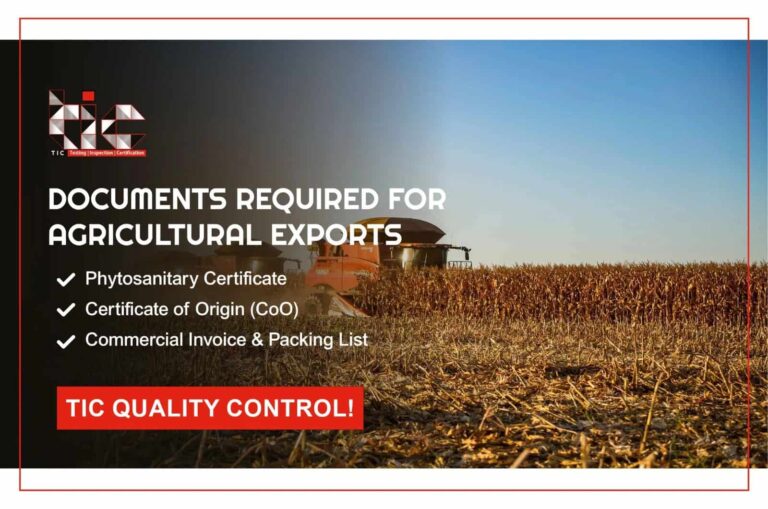
Agricultural products are among the most heavily regulated commodities in international trade. Whether you’re exporting grains, pulses, spices, fruits, vegetables, oilseeds, animal feed, or processed agricultural products, accurate export documentation is just as important as product quality. Many export shipments face unnecessary delays—not because of poor product quality, but due to missing, incorrect, or non-compliant documentation. Customs authorities, quarantine departments, buyers, and regulatory agencies rely on these documents to verify that products meet the importing country’s legal, health, and safety requirements. This comprehensive guide explains the 10 most important agricultural export documents, their purpose, when they are required, and how they help exporters ensure smooth international trade. Why Export Documentation
Weight Control & Calibration Verification Services: Ensuring Accuracy, Compliance & Confidence in Every Measurement
In today’s fast-paced global trade environment, precision is more than a technical requirement—it’s a business necessity. Whether you’re exporting agricultural commodities, importing industrial machinery, managing bulk cargo, or operating a manufacturing facility, even the slightest inaccuracy in weight measurements can result in financial losses, contractual disputes, shipment delays, or regulatory non-compliance. Weight control and calibration verification are two critical processes that help businesses maintain accuracy, transparency, and trust throughout the supply chain. Accurate weighing systems not only ensure fair trade but also support quality assurance, inventory management, and operational efficiency. At TIC Quality Control (TICQC), we provide professional Weight Control and Calibration Verification Services designed to help businesses verify measurement
TIC Cold Chain Inspection: Why Temperature Monitoring Is Critical
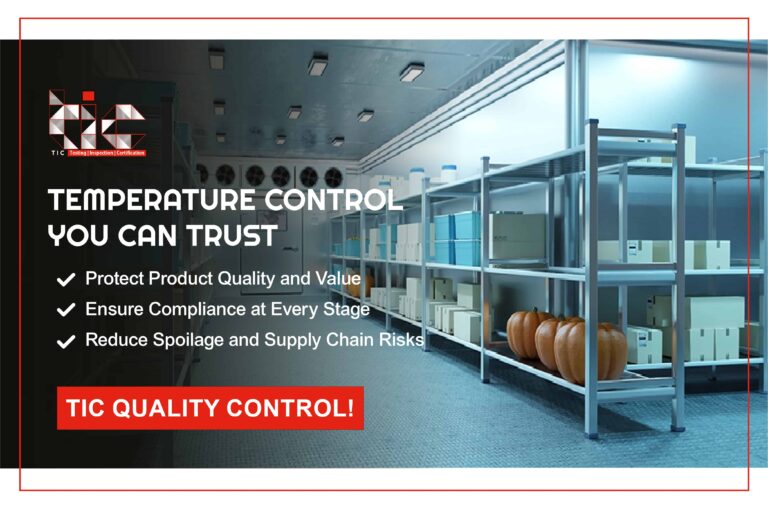
In today’s global food and pharmaceutical supply chain, maintaining product quality during storage and transportation is more challenging than ever. Businesses across industries rely heavily on cold chain logistics to ensure temperature-sensitive products remain safe, fresh, compliant, and market-ready from production facilities to final consumers. From frozen foods and dairy products to seafood, meat, vaccines, medicines, and nutritional supplements, temperature-sensitive goods require continuous monitoring throughout the entire supply chain. Even a small temperature fluctuation can compromise product integrity, reduce shelf life, increase contamination risks, and create major financial losses. This is why cold chain inspection and temperature monitoring have become essential components of modern quality assurance systems. In regions like
Iraq Certificate of Conformity Guide (CoC): Complete Compliance Guide for Exporters
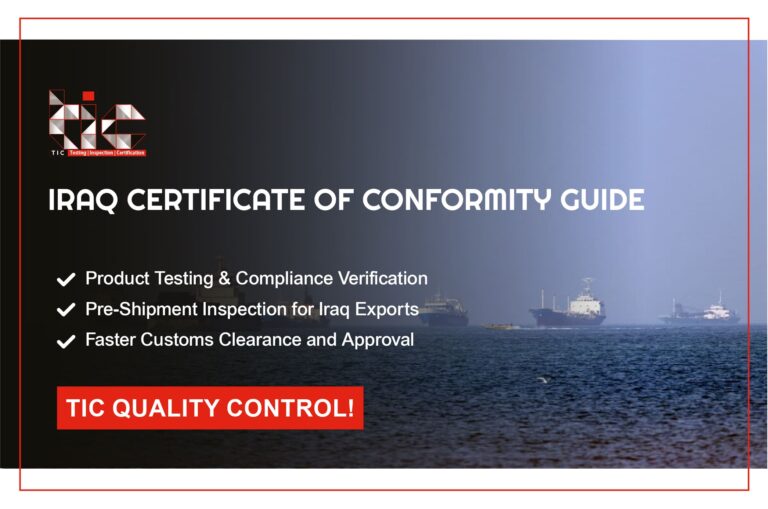
Introduction Iraq continues to be one of the most important import markets in the Middle East, creating significant opportunities for manufacturers, exporters, traders, and distributors worldwide. However, businesses shipping products to Iraq must comply with specific regulatory requirements before their goods can enter the Iraqi market. One of the most important requirements is obtaining an Iraq Certificate of Conformity (CoC). The Iraq CoC program helps ensure that imported products meet applicable Iraqi standards, safety regulations, and quality requirements before reaching consumers. Understanding the Iraq Certificate of Conformity process can help businesses avoid shipment delays, customs clearance issues, financial penalties, and rejected consignments. This guide explains everything exporters need to know
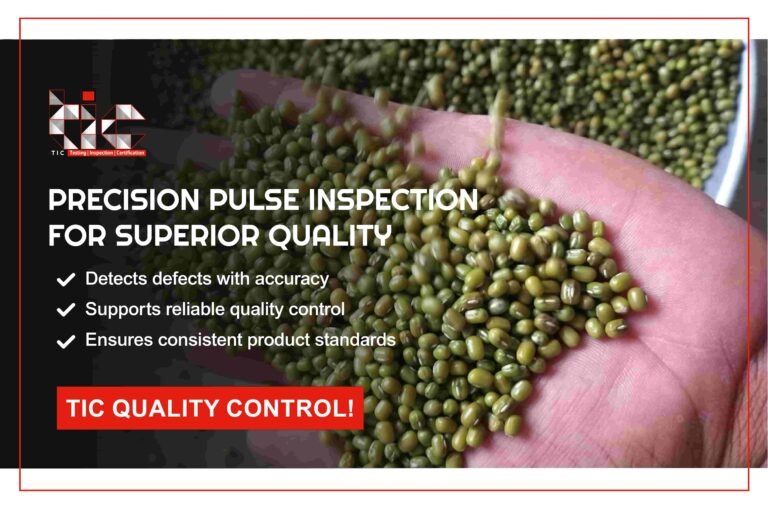
Moong Dal (Mung Bean) Inspection: Ensuring Premium Pulse Quality Through Advanced Quality Control
Why Mung Bean Inspection Matters in the Pulse Industry Moong dal is one of the most widely consumed pulses in India and international markets. As consumer expectations and food safety regulations continue to evolve, maintaining consistent quality has become essential for processors, exporters, and food manufacturers. This is where Mung Bean inspection plays a critical role. A thorough inspection process helps identify defects, foreign materials, damaged grains, discoloration, and other quality concerns before products reach the market. By implementing professional pulse quality inspection services, businesses can improve product consistency, strengthen brand reputation, and meet buyer specifications with confidence. Common Quality Issues Found During Moong Dal Inspection The quality of moong
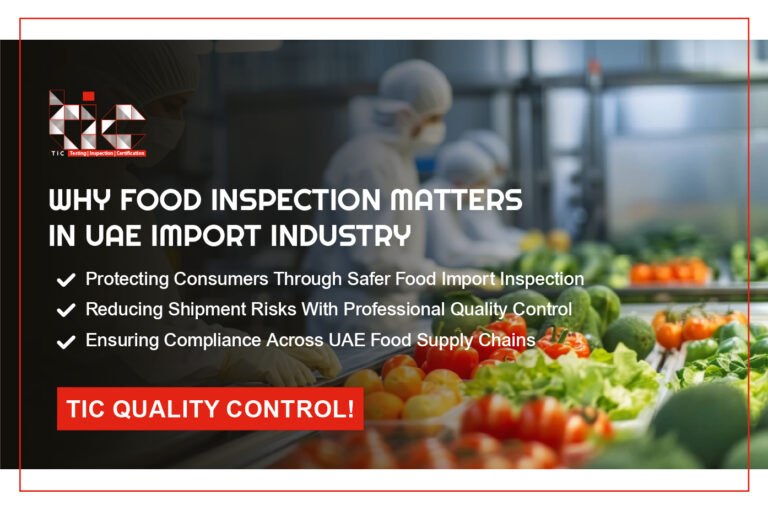
Why Food Inspection Matters in UAE’s Import Industry & How TIC Quality Control can be your trusted partner
The United Arab Emirates has become one of the world’s leading trade and logistics hubs, importing massive volumes of food products every year to meet the demands of its growing population, tourism sector, hospitality industry, supermarkets, restaurants, and food processing businesses. From dairy products and frozen seafood to packaged snacks, spices, beverages, fresh fruits, and meat products, imported food plays a critical role in ensuring food availability across the UAE. However, increasing imports comes with increasing responsibility. Food products travel across countries, climates, warehouses, shipping containers, and distribution networks before reaching consumers. During this journey, products can face contamination risks, temperature abuse, packaging damage, labeling issues, spoilage, and regulatory non-compliance.
10 Essential Documents Required for Agricultural Exports: Complete Guide for International Trade
Agricultural products are among the most heavily regulated commodities in international trade. Whether you’re exporting grains, pulses, spices, fruits, vegetables, oilseeds, animal feed, or processed agricultural products, accurate export documentation is just as important as product quality. Many export shipments face unnecessary delays—not because of poor product quality, but due to missing, incorrect, or non-compliant documentation. Customs authorities, quarantine departments, buyers, and regulatory agencies rely on these documents to verify that products meet the importing country’s legal, health, and safety requirements. This comprehensive guide explains the 10 most important agricultural export documents, their purpose, when they are required, and how they help exporters ensure smooth international trade. Why Export Documentation
Weight Control & Calibration Verification Services: Ensuring Accuracy, Compliance & Confidence in Every Measurement
In today’s fast-paced global trade environment, precision is more than a technical requirement—it’s a business necessity. Whether you’re exporting agricultural commodities, importing industrial machinery, managing bulk cargo, or operating a manufacturing facility, even the slightest inaccuracy in weight measurements can result in financial losses, contractual disputes, shipment delays, or regulatory non-compliance. Weight control and calibration verification are two critical processes that help businesses maintain accuracy, transparency, and trust throughout the supply chain. Accurate weighing systems not only ensure fair trade but also support quality assurance, inventory management, and operational efficiency. At TIC Quality Control (TICQC), we provide professional Weight Control and Calibration Verification Services designed to help businesses verify measurement
TIC Cold Chain Inspection: Why Temperature Monitoring Is Critical
In today’s global food and pharmaceutical supply chain, maintaining product quality during storage and transportation is more challenging than ever. Businesses across industries rely heavily on cold chain logistics to ensure temperature-sensitive products remain safe, fresh, compliant, and market-ready from production facilities to final consumers. From frozen foods and dairy products to seafood, meat, vaccines, medicines, and nutritional supplements, temperature-sensitive goods require continuous monitoring throughout the entire supply chain. Even a small temperature fluctuation can compromise product integrity, reduce shelf life, increase contamination risks, and create major financial losses. This is why cold chain inspection and temperature monitoring have become essential components of modern quality assurance systems. In regions like
Iraq Certificate of Conformity Guide (CoC): Complete Compliance Guide for Exporters
Introduction Iraq continues to be one of the most important import markets in the Middle East, creating significant opportunities for manufacturers, exporters, traders, and distributors worldwide. However, businesses shipping products to Iraq must comply with specific regulatory requirements before their goods can enter the Iraqi market. One of the most important requirements is obtaining an Iraq Certificate of Conformity (CoC). The Iraq CoC program helps ensure that imported products meet applicable Iraqi standards, safety regulations, and quality requirements before reaching consumers. Understanding the Iraq Certificate of Conformity process can help businesses avoid shipment delays, customs clearance issues, financial penalties, and rejected consignments. This guide explains everything exporters need to know
Moong Dal (Mung Bean) Inspection: Ensuring Premium Pulse Quality Through Advanced Quality Control
Why Mung Bean Inspection Matters in the Pulse Industry Moong dal is one of the most widely consumed pulses in India and international markets. As consumer expectations and food safety regulations continue to evolve, maintaining consistent quality has become essential for processors, exporters, and food manufacturers. This is where Mung Bean inspection plays a critical role. A thorough inspection process helps identify defects, foreign materials, damaged grains, discoloration, and other quality concerns before products reach the market. By implementing professional pulse quality inspection services, businesses can improve product consistency, strengthen brand reputation, and meet buyer specifications with confidence. Common Quality Issues Found During Moong Dal Inspection The quality of moong
Why Food Inspection Matters in UAE’s Import Industry & How TIC Quality Control can be your trusted partner
The United Arab Emirates has become one of the world’s leading trade and logistics hubs, importing massive volumes of food products every year to meet the demands of its growing population, tourism sector, hospitality industry, supermarkets, restaurants, and food processing businesses. From dairy products and frozen seafood to packaged snacks, spices, beverages, fresh fruits, and meat products, imported food plays a critical role in ensuring food availability across the UAE. However, increasing imports comes with increasing responsibility. Food products travel across countries, climates, warehouses, shipping containers, and distribution networks before reaching consumers. During this journey, products can face contamination risks, temperature abuse, packaging damage, labeling issues, spoilage, and regulatory non-compliance.
