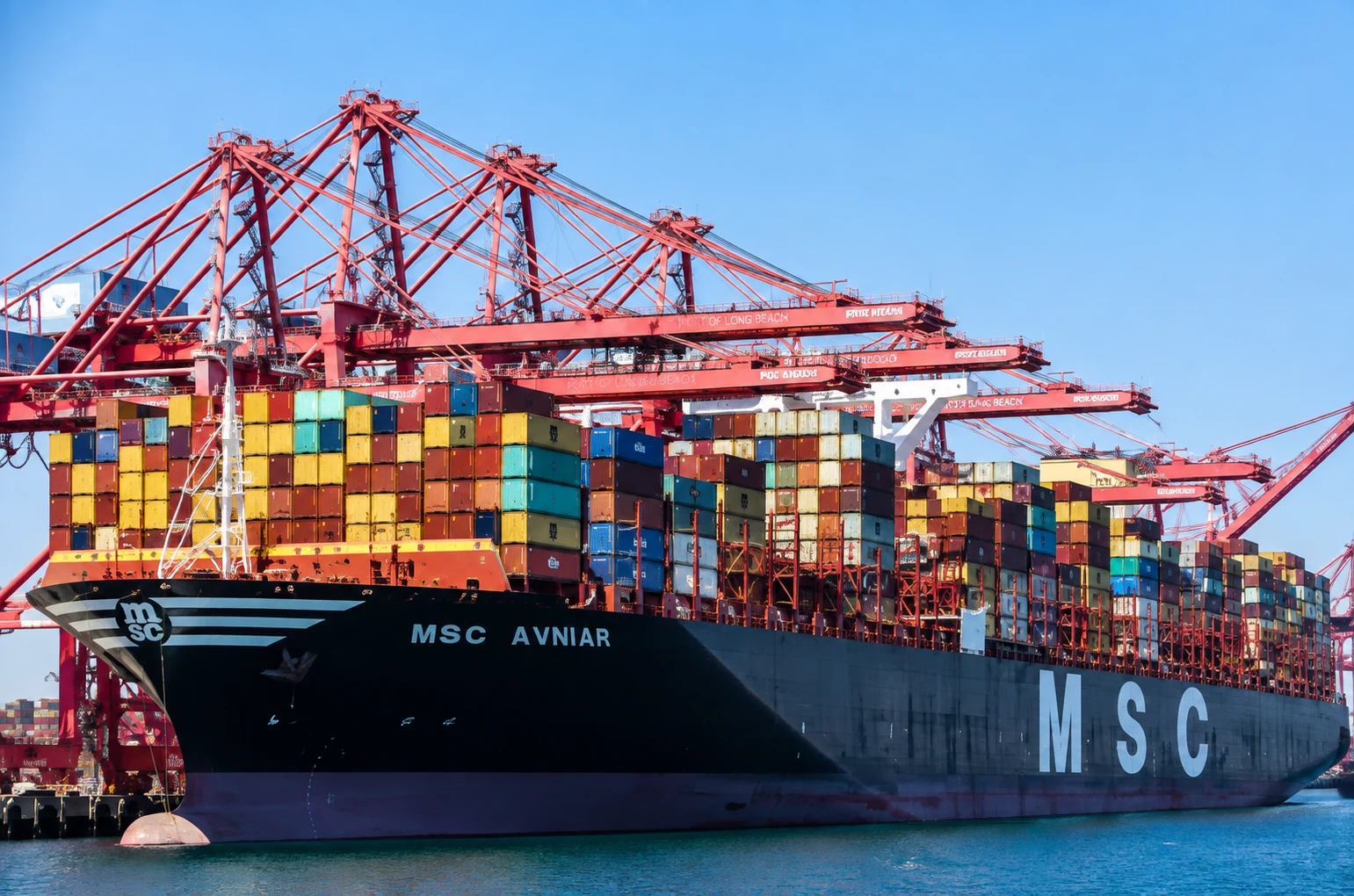
The United Arab Emirates has become one of the world’s leading trade and logistics hubs, importing massive volumes of food products every year to meet the demands of its growing population, tourism sector, hospitality industry, supermarkets, restaurants, and food processing businesses. From dairy products and frozen seafood to packaged snacks, spices, beverages, fresh fruits, and meat products, imported food plays a critical role in ensuring food availability across the UAE.
However, increasing imports comes with increasing responsibility. Food products travel across countries, climates, warehouses, shipping containers, and distribution networks before reaching consumers. During this journey, products can face contamination risks, temperature abuse, packaging damage, labeling issues, spoilage, and regulatory non-compliance. This is where professional food inspection services become essential.
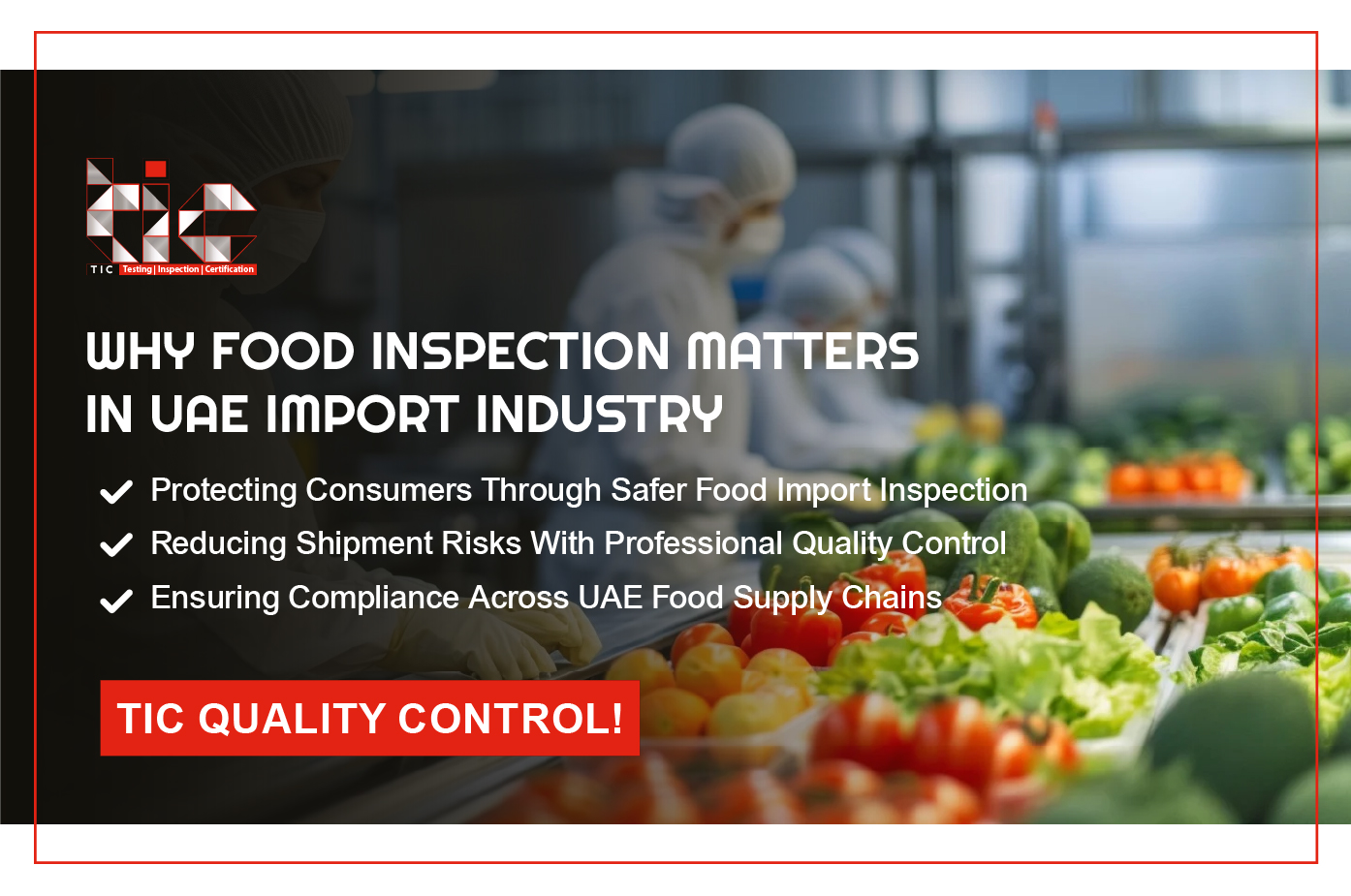
Food inspection is no longer just a regulatory requirement. It is now a vital process that protects public health, maintains supply chain quality, reduces financial losses, strengthens consumer confidence, and ensures compliance with UAE food safety standards.
In the UAE’s competitive import market, businesses that prioritize food quality inspection gain a stronger reputation, reduce operational risks, and build long-term trust with retailers, distributors, and customers.
Understanding Food Inspection in the UAE
Food inspection refers to the systematic process of examining food products, production facilities, storage conditions, packaging, labeling, transportation systems, and documentation to ensure that food products meet quality, safety, and regulatory standards.
In the UAE import industry, food inspections are commonly conducted during:
- Pre-shipment stages
- Port arrival inspections
- Warehouse inspections
- Supplier audits
- Cold chain monitoring
- Packaging verification
- Label compliance checks
- Product sampling and testing
The primary objective of food inspection is to identify potential risks before products enter the market.
Professional inspection companies help importers verify whether products comply with UAE regulations, GCC standards, and international food safety practices.
The Growing Importance of Food Imports in the UAE
The UAE imports a significant percentage of its food products from international markets. Due to climatic conditions and limited agricultural production capacity, the country relies heavily on imported food supplies to meet consumer demand.
As food imports increase, maintaining quality consistency becomes more challenging. Imported food products may originate from different manufacturers, suppliers, and countries with varying production standards.
This creates several challenges for importers:
- Inconsistent product quality
- Improper food handling
- Packaging damage during transit
- Expired or near-expiry products
- Incorrect labeling
- Storage failures
- Contamination risks
- Supply chain delays
Without proper food inspection procedures, these issues can lead to shipment rejection, financial losses, regulatory penalties, and damage to brand reputation.
Why Food Inspection Is Critical for Public Health
One of the most important reasons for food inspection is consumer safety.
Unsafe food products can lead to serious health risks, including foodborne illnesses, bacterial contamination, allergic reactions, and chemical exposure. Improper handling or storage conditions during transportation can compromise food quality even if the products were initially manufactured under safe conditions.
Food inspection helps identify risks such as:
- Microbial contamination
- Damaged packaging
- Temperature fluctuations
- Pest contamination
- Cross-contamination
- Product spoilage
- Incorrect ingredient declarations
- Expired products
In a market like the UAE, where millions of residents and tourists consume imported food products daily, maintaining strict food safety standards is essential.
Food inspection acts as a preventive system that protects consumers before unsafe products reach retail shelves or restaurants.
The Role of Food Inspection in UAE Import Compliance
The UAE maintains strict food safety regulations to ensure imported products meet approved standards.
Imported food products must comply with requirements related to:
- Product labeling
- Arabic language labeling
- Shelf-life standards
- Ingredient declarations
- Packaging regulations
- Storage conditions
- Halal compliance
- Nutritional information
- Product traceability
Failure to meet these requirements can result in shipment delays, rejection, product recalls, or legal penalties.
Professional food inspection services help importers identify compliance issues before products arrive in the UAE market. This significantly reduces risks associated with customs clearance and regulatory approvals.
By conducting pre-shipment inspections, businesses can correct issues early and avoid costly disruptions later.
How Food Inspection Protects Brand Reputation
In today’s competitive market, brand reputation is one of the most valuable business assets.
A single food safety issue can damage customer trust, generate negative publicity, and impact long-term business growth. Consumers are becoming increasingly aware of food quality, hygiene standards, and product transparency.
When customers purchase imported food products, they expect:
- Safe ingredients
- Fresh products
- Proper packaging
- Accurate labeling
- Consistent quality
If businesses fail to meet these expectations, they risk losing customer confidence.
Food inspection helps companies maintain high-quality standards across the supply chain. It demonstrates a commitment to food safety, quality assurance, and consumer protection.
Businesses that invest in professional inspection services often gain stronger credibility in the market and build long-term relationships with retailers and distributors.
The Importance of Pre-Shipment Food Inspection
Pre-shipment inspection is one of the most effective ways to reduce import risks.
This process involves inspecting food products before they leave the supplier’s facility or exporting country.
Pre-shipment food inspections typically include:
- Product quality verification
- Packaging inspection
- Quantity verification
- Label checking
- Temperature assessment
- Documentation review
- Container condition inspection
- Random sampling
Conducting inspections before shipment allows businesses to identify issues early and avoid receiving non-compliant products.
For UAE importers, pre-shipment inspections help:
- Reduce shipment rejection risks
- Prevent financial losses
- Improve supplier accountability
- Ensure compliance with UAE standards
- Maintain supply chain consistency
This proactive approach saves both time and operational costs.
Cold Chain Inspection and Temperature Control
Temperature-sensitive food products require strict monitoring throughout transportation and storage.
Products such as:
- Dairy items
- Frozen foods
- Seafood
- Meat products
- Vaccines and supplements
- Fresh produce
must remain within controlled temperature ranges to maintain quality and safety.
Cold chain failures are among the most common causes of food spoilage in global supply chains.
Even minor temperature fluctuations can result in:
- Reduced shelf life
- Bacterial growth
- Product deterioration
- Food contamination
- Financial losses
Food inspection companies monitor cold chain conditions using temperature verification procedures, storage assessments, and transportation inspections.
In the UAE’s hot climate, maintaining proper temperature control is especially important for imported food products.
Food Label Inspection and Regulatory Compliance
Food labeling plays a crucial role in consumer safety and regulatory compliance.
Incorrect or incomplete labeling can mislead consumers and create health risks, especially for individuals with food allergies or dietary restrictions.
Food inspectors verify:
- Arabic labeling requirements
- Ingredient lists
- Nutritional facts
- Expiry dates
- Manufacturing dates
- Country of origin
- Storage instructions
- Allergen declarations
- Barcode accuracy
Proper food labeling helps consumers make informed purchasing decisions and ensures transparency in the supply chain.
For importers, label compliance reduces customs clearance issues and protects against regulatory penalties.
Supplier Audits Improve Food Quality Standards
Supplier audits are another important component of food inspection.
Importers often work with multiple suppliers from different countries. Without proper monitoring, quality inconsistencies can become a serious challenge.
Supplier audits evaluate:
- Manufacturing practices
- Hygiene standards
- Facility cleanliness
- Quality control systems
- Staff training
- Storage conditions
- Documentation systems
- Food safety management procedures
These audits help businesses identify reliable suppliers and improve overall supply chain quality.
Strong supplier verification processes also reduce the risk of receiving low-quality or non-compliant products.
How Food Inspection Reduces Financial Losses
Food quality failures can lead to significant financial consequences.
Businesses may face:
- Shipment rejection
- Product recalls
- Disposal costs
- Storage losses
- Legal penalties
- Brand damage
- Customer complaints
- Retail contract losses
Food inspection helps businesses detect issues before products enter the market.
Preventive quality control is far more cost-effective than dealing with post-distribution problems.
By identifying risks early, companies can:
- Reduce waste
- Improve operational efficiency
- Prevent disputes
- Protect profit margins
- Maintain customer satisfaction
Food inspection should be viewed as a strategic investment rather than an operational expense.
The Growing Demand for Third-Party Food Inspection Services
As global trade becomes more complex, businesses increasingly rely on independent third-party inspection companies.
Third-party food inspection provides unbiased quality verification and professional reporting.
Independent inspection services help importers:
- Verify supplier claims
- Improve transparency
- Strengthen compliance
- Build retailer confidence
- Reduce conflicts between buyers and suppliers
Professional inspection companies use standardized procedures to ensure accurate evaluations.
This independent verification adds credibility and improves trust across the supply chain.
Technology Is Transforming Food Inspection
Modern food inspection is evolving rapidly with the use of advanced technologies.
Today’s inspection processes may include:
- Digital inspection reporting
- Real-time monitoring systems
- Smart temperature sensors
- Barcode tracking
- AI-assisted defect detection
- Cloud-based quality management systems
- Automated compliance documentation
Technology improves inspection accuracy, reporting speed, and supply chain visibility.
For UAE importers managing large-scale food imports, digital inspection systems provide better operational control and faster decision-making.
As the food industry continues to modernize, technology-driven inspection solutions will play an even bigger role in quality assurance.
Food Inspection Supports Sustainable Supply Chains
Food waste is a major global challenge.
Poor storage, transportation failures, contamination, and quality issues contribute significantly to product losses.
Effective food inspection helps reduce waste by ensuring products remain safe and market-ready throughout the supply chain.
This supports sustainability goals by:
- Minimizing spoiled inventory
- Reducing rejected shipments
- Improving inventory management
- Extending product shelf life
- Enhancing logistics efficiency
Businesses that implement strong quality control systems often achieve better sustainability performance and operational efficiency.
Why UAE Businesses Should Prioritize Professional Inspection Services
In the UAE’s fast-moving import industry, businesses cannot afford quality failures.
Professional food inspection services provide critical support for:
- Importers
- Retailers
- Food distributors
- Hospitality companies
- Supermarkets
- Restaurants
- Food manufacturers
Reliable inspection services help businesses maintain compliance, reduce operational risks, and ensure product consistency.
Working with experienced inspection professionals also improves supply chain confidence and supports long-term business growth.
Choosing the Right Food Inspection Partner
Selecting the right inspection company is essential for achieving reliable quality control.
Businesses should look for inspection providers with:
- Industry experience
- Knowledge of UAE regulations
- Qualified inspectors
- Transparent reporting systems
- Fast response times
- Global inspection capabilities
- Strong quality assurance procedures
A professional inspection partner should understand both international food safety standards and local UAE compliance requirements.
The right partner helps businesses improve efficiency while protecting product quality at every stage of the supply chain.
How TIC Quality Control Supports Food Import Businesses
TIC Quality Control provides professional inspection and quality control solutions designed to support businesses operating in the UAE and global import markets.
With increasing demand for safe, compliant, and high-quality food products, businesses require dependable inspection partners who understand international standards and local market requirements.
TIC Quality Control supports clients through services such as:
- Food inspection services
- Pre-shipment inspections
- Supplier audits
- Packaging verification
- Quality assurance inspections
- Compliance verification
- Cold chain assessments
- Product quality checks
By helping businesses identify risks early, TIC Quality Control contributes to safer supply chains, improved operational efficiency, and stronger consumer trust.
The Future of Food Inspection in the UAE
The UAE continues to strengthen its position as a global trade and logistics hub. As food imports increase, inspection standards and compliance requirements will continue evolving.
Future food inspection trends are expected to focus on:
- Smart inspection technologies
- Digital compliance systems
- AI-powered monitoring
- Enhanced traceability
- Sustainability practices
- Predictive quality control
- Automated reporting systems
Businesses that invest in proactive food safety and inspection systems today will be better prepared for future industry demands.
Quality assurance is becoming a competitive advantage rather than simply a regulatory obligation.
Conclusion
Food inspection plays a vital role in protecting public health, maintaining food quality, supporting regulatory compliance, and strengthening consumer trust within the UAE’s import industry.
As imported food products move through complex international supply chains, inspection services help businesses identify risks before they become costly problems.
From pre-shipment inspections and supplier audits to cold chain monitoring and label verification, professional food inspection services ensure that products meet safety and quality standards at every stage of the supply chain.
In an increasingly competitive market, businesses that prioritize food safety and quality control gain stronger reputations, reduce operational risks, and build long-term customer confidence.
For UAE importers, food inspection is not just about compliance — it is about protecting consumers, improving supply chain reliability, and ensuring sustainable business growth.
Companies like TICQC – that invest in professional quality control solutions are better positioned to succeed in the modern food industry while maintaining the highest standards of safety, transparency, and operational excellence.