In today’s global food and pharmaceutical supply chain, maintaining product quality during storage and transportation is more challenging than ever. Businesses across industries rely heavily on cold chain logistics to ensure temperature-sensitive products remain safe, fresh, compliant, and market-ready from production facilities to final consumers.
From frozen foods and dairy products to seafood, meat, vaccines, medicines, and nutritional supplements, temperature-sensitive goods require continuous monitoring throughout the entire supply chain. Even a small temperature fluctuation can compromise product integrity, reduce shelf life, increase contamination risks, and create major financial losses.
This is why cold chain inspection and temperature monitoring have become essential components of modern quality assurance systems.
In regions like the UAE, where extreme weather conditions can significantly impact transportation and storage environments, effective cold chain management is even more critical. Businesses involved in importing, exporting, warehousing, distributing, and retailing temperature-sensitive products must implement strict inspection and monitoring procedures to maintain food safety, regulatory compliance, and consumer trust.
This article explains why cold chain inspection matters, how temperature monitoring protects supply chains, the risks associated with cold chain failures, and how professional inspection services help businesses maintain quality and compliance.
What Is Cold Chain Inspection?
Cold chain inspection refers to the process of monitoring and verifying temperature-controlled storage and transportation systems used for sensitive products.
The purpose of cold chain inspection is to ensure products remain within approved temperature ranges throughout the supply chain.
Cold chain inspections typically involve evaluating:
- Refrigerated containers
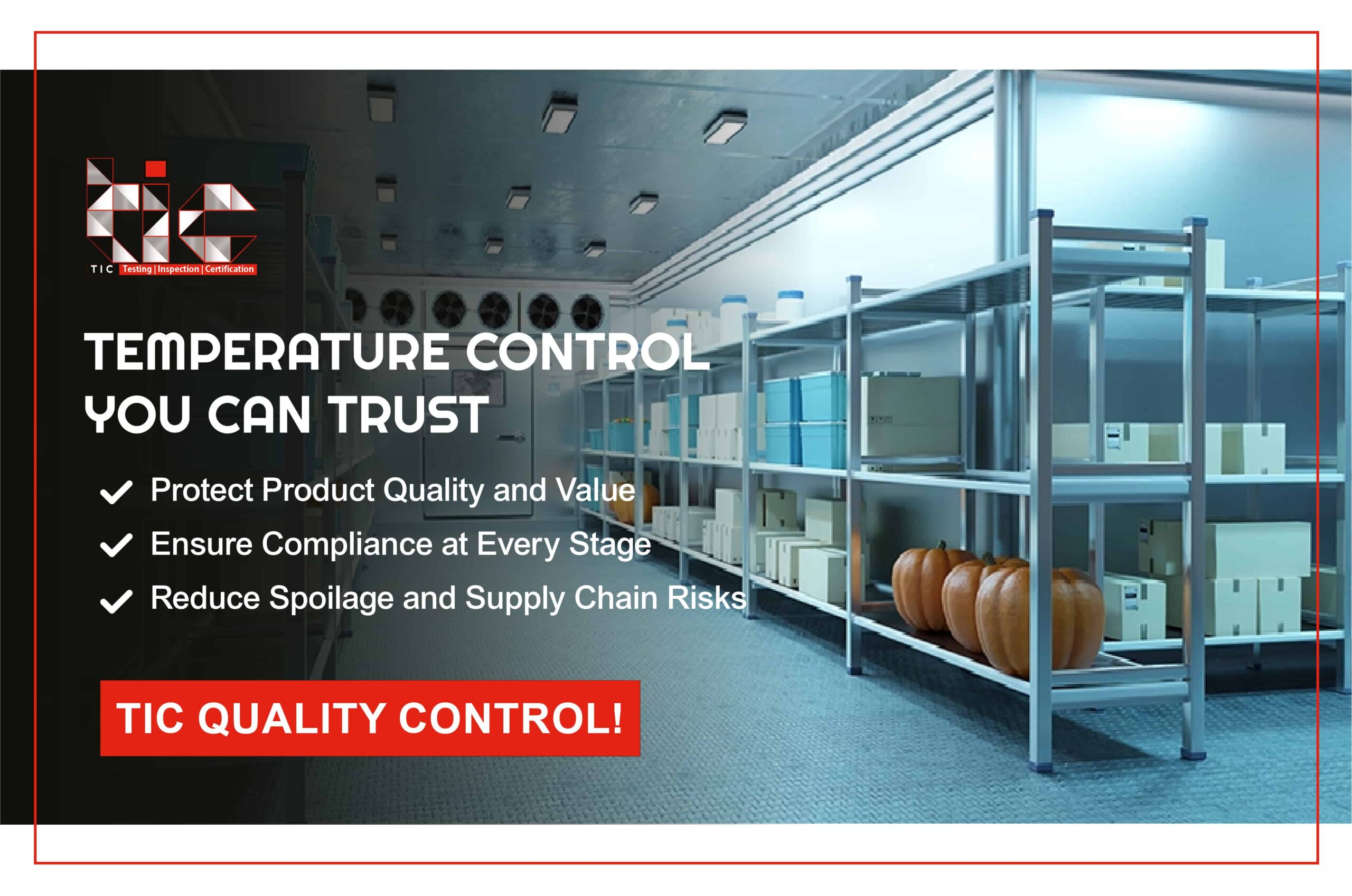
- Cold storage facilities
- Transportation vehicles
- Temperature monitoring systems
- Product handling procedures
- Loading and unloading conditions
- Packaging integrity
- Humidity levels
- Air circulation systems
- Compliance documentation
Professional cold chain inspection services help businesses identify potential risks before products become compromised.
These inspections are critical for industries that depend on temperature-sensitive goods, including:
- Food and beverage
- Pharmaceutical
- Healthcare
- Agriculture
- Biotechnology
- Hospitality
- Retail distribution
Why Temperature Monitoring Is So Important
Temperature is one of the most critical factors affecting product quality and safety.
Improper temperature control can quickly lead to:
- Bacterial growth
- Product spoilage
- Reduced shelf life
- Texture changes
- Chemical instability
- Loss of nutritional value
- Product contamination
- Financial losses
Certain food products become unsafe within hours if exposed to incorrect temperatures.
Similarly, pharmaceutical products and vaccines may lose effectiveness if cold chain conditions are not maintained.
Temperature monitoring helps businesses maintain stable environmental conditions throughout transportation and storage.
Continuous monitoring also allows businesses to detect problems early and take corrective action before products are damaged.
The Importance of Cold Chain Management in the UAE
The UAE is one of the world’s leading import and logistics hubs. A large percentage of food products, pharmaceuticals, and healthcare supplies are imported into the country through international supply chains.
Due to the UAE’s hot climate, maintaining proper cold chain conditions becomes especially challenging.
High outdoor temperatures can increase risks such as:
- Refrigeration overload
- Product thawing
- Temperature fluctuations
- Condensation buildup
- Equipment strain
- Accelerated spoilage
Without effective temperature monitoring systems, businesses risk major product losses during transportation and storage.
Cold chain inspection services help UAE businesses maintain safe supply chain operations while meeting local and international food safety standards.
Industries That Depend on Cold Chain Inspection
Many industries rely heavily on temperature-controlled logistics systems.
Food Industry
Temperature-sensitive food products include:
- Frozen foods
- Dairy products
- Seafood
- Meat products
- Fresh fruits and vegetables
- Ready-to-eat meals
- Beverages
- Bakery products
Improper storage temperatures can quickly compromise food safety and freshness.
Pharmaceutical Industry
Pharmaceutical cold chain management is critical for:
- Vaccines
- Insulin
- Biologics
- Medical supplies
- Laboratory materials
- Temperature-sensitive medicines
Even small temperature deviations can affect product effectiveness and patient safety.
Retail and Distribution
Retailers and distributors must maintain proper cold storage conditions to ensure products remain safe and compliant before reaching consumers.
Cold chain failures at retail stages can lead to:
- Product recalls
- Customer complaints
- Brand damage
- Inventory losses
Common Causes of Cold Chain Failures
Cold chain failures can occur at multiple stages of the supply chain.
Some of the most common causes include:
- Refrigeration equipment malfunction
- Poor temperature monitoring
- Delayed transportation
- Frequent container door openings
- Improper loading practices
- Power failures
- Human error
- Poor warehouse management
- Inadequate staff training
- Insufficient airflow
Even minor operational mistakes can create major product safety risks.
This is why regular inspection and monitoring are essential.
Risks of Poor Temperature Control
Poor temperature management creates serious operational and financial consequences for businesses.
1. Food Spoilage
Temperature fluctuations accelerate bacterial growth and product deterioration.
Spoiled food products may become unsafe for consumption and require disposal.
2. Reduced Shelf Life
Improper cold storage reduces product freshness and shortens shelf life.
This affects product quality and increases waste.
3. Product Contamination
Temperature abuse can increase microbial activity and contamination risks.
Unsafe products may lead to foodborne illnesses and health hazards.
4. Financial Losses
Cold chain failures often result in:
- Shipment rejection
- Product recalls
- Inventory disposal
- Customer compensation
- Legal claims
5. Regulatory Non-Compliance
Businesses that fail to maintain proper cold chain conditions may violate food safety regulations and face penalties.
6. Brand Reputation Damage
Consumers expect safe and high-quality products.
Food safety incidents can significantly damage brand trust and customer confidence.
How Cold Chain Inspection Protects Product Quality
Cold chain inspection helps businesses identify and prevent risks before products become compromised.
Professional inspectors evaluate critical factors such as:
- Storage temperatures
- Refrigeration performance
- Air circulation
- Packaging conditions
- Humidity levels
- Loading procedures
- Transportation practices
Regular inspections improve supply chain visibility and help maintain consistent quality standards.
By identifying problems early, businesses can reduce losses and improve operational reliability.
The Role of Real-Time Temperature Monitoring
Modern cold chain systems increasingly rely on real-time monitoring technologies.
These systems allow businesses to track environmental conditions continuously during transportation and storage.
Common monitoring technologies include:
- Digital temperature sensors
- IoT monitoring systems
- GPS tracking
- Cloud-based reporting systems
- Automated alarms
- Wireless data loggers
Real-time monitoring provides immediate alerts when temperatures move outside approved ranges.
This allows businesses to respond quickly and prevent product damage.
Why Pre-Shipment Cold Chain Inspection Matters
Pre-shipment inspection is one of the most effective ways to reduce cold chain risks.
Before products are shipped, inspectors verify:
- Container cleanliness
- Refrigeration functionality
- Packaging integrity
- Product temperature
- Loading conditions
- Documentation accuracy
Pre-shipment inspections help businesses identify issues before products leave the supplier facility.
This proactive approach reduces shipment rejection risks and improves supply chain efficiency.
Cold Storage Facility Inspection
Cold storage facilities play a critical role in preserving product quality.
Poor warehouse management can compromise products even before transportation begins.
Cold storage inspections typically evaluate:
- Temperature consistency
- Air circulation systems
- Sanitation practices
- Humidity control
- Equipment maintenance
- Storage organization
- Pest control systems
Regular facility inspections improve operational performance and help businesses maintain compliance standards.
Packaging and Insulation in Cold Chain Logistics
Packaging is another important component of cold chain protection.
Proper packaging helps maintain stable temperatures during transit.
Cold chain packaging may include:
- Insulated containers
- Thermal blankets
- Refrigerated packaging systems
- Gel packs
- Dry ice solutions
Inspectors verify whether packaging materials are suitable for transportation conditions and product sensitivity.
Poor packaging increases the risk of temperature fluctuations and product damage.
The Importance of Staff Training in Cold Chain Management
Human error remains one of the leading causes of cold chain failures.
Employees involved in handling temperature-sensitive products must understand:
- Temperature requirements
- Hygiene practices
- Loading procedures
- Monitoring systems
- Emergency response protocols
- Compliance standards
Proper training improves operational consistency and reduces avoidable mistakes.
Businesses that invest in staff education typically experience fewer supply chain disruptions and lower product losses.
Regulatory Compliance and Cold Chain Inspection
Governments and regulatory authorities maintain strict standards for temperature-sensitive products.
Businesses must comply with regulations related to:
- Food safety
- Pharmaceutical storage
- Transportation conditions
- Product traceability
- Labeling requirements
- Temperature documentation
In the UAE, regulatory compliance is especially important for imported products entering the market.
Professional inspection services help businesses meet local and international compliance standards while reducing operational risks.
How Technology Is Transforming Cold Chain Inspection
Technology continues improving cold chain efficiency and inspection accuracy.
Modern innovations include:
- AI-powered monitoring systems
- Predictive maintenance tools
- Smart refrigeration systems
- Blockchain traceability
- Automated reporting platforms
- Real-time analytics
These technologies improve visibility across supply chains and help businesses make faster decisions.
Technology-driven cold chain inspection systems also reduce manual errors and improve documentation accuracy.
Sustainability and Cold Chain Efficiency
Efficient cold chain management also supports sustainability goals.
Poor temperature control contributes to food waste, energy losses, and unnecessary inventory disposal.
Strong cold chain systems help businesses:
- Reduce spoilage
- Minimize waste
- Improve energy efficiency
- Extend product shelf life
- Optimize logistics operations
Sustainable cold chain practices improve both environmental performance and operational profitability.
The Business Benefits of Professional Cold Chain Inspection
Professional cold chain inspection services provide several long-term business advantages.
Improved Product Quality
Consistent monitoring helps maintain freshness and product integrity.
Reduced Financial Losses
Early risk detection minimizes spoilage, recalls, and rejected shipments.
Better Regulatory Compliance
Inspection services help businesses meet food safety and pharmaceutical standards.
Stronger Customer Trust
Consumers expect safe and properly stored products.
Reliable quality control improves customer confidence.
Increased Supply Chain Transparency
Inspection reporting improves visibility and accountability across the supply chain.
Why Third-Party Inspection Services Matter
Independent third-party inspection companies provide objective evaluations of cold chain operations.
Third-party inspections help businesses:
- Verify supplier performance
- Maintain quality consistency
- Improve transparency
- Reduce conflicts
- Strengthen retailer confidence
Independent inspection reports also support regulatory compliance and customer assurance.
How TIC Quality Control Supports Cold Chain Safety
TIC Quality Control provides professional cold chain inspection and quality control services designed to support businesses operating in the UAE and international markets.
As global supply chains become more complex, businesses require reliable inspection partners who understand temperature-sensitive logistics and compliance requirements.
TIC Quality Control supports clients through services such as:
- Cold chain inspection
- Temperature monitoring
- Pre-shipment inspection
- Container inspection
- Packaging verification
- Supplier audits
- Warehouse inspections
- Compliance verification
- Quality assurance services
By helping businesses identify risks early, TIC Quality Control supports safer transportation systems, reduced product losses, improved compliance, and stronger consumer trust.
Best Practices for Effective Cold Chain Management
Businesses can improve cold chain performance by following several best practices.
Maintain Continuous Temperature Monitoring
Use reliable monitoring systems throughout transportation and storage.
Conduct Regular Equipment Maintenance
Inspect refrigeration systems regularly to prevent failures.
Train Employees Properly
Ensure staff understand handling procedures and compliance standards.
Verify Packaging Quality
Use appropriate insulation and protective materials.
Perform Regular Inspections
Routine inspections help identify issues before they escalate.
Use Real-Time Tracking Systems
Digital monitoring improves visibility and operational control.
The Future of Cold Chain Inspection
Cold chain logistics will continue evolving as businesses adopt smarter technologies and stricter quality standards.
Future trends may include:
- AI-driven risk prediction
- Automated compliance systems
- Smart logistics platforms
- Advanced IoT monitoring
- Blockchain-enabled traceability
- Sustainable refrigeration technologies
Businesses that invest in proactive cold chain management today will be better prepared for future industry demands.
Conclusion
Cold chain inspection and temperature monitoring are essential for protecting product quality, maintaining food safety, reducing spoilage, and ensuring regulatory compliance.
As global supply chains continue expanding, businesses face increasing pressure to maintain safe transportation and storage systems for temperature-sensitive products.
From food and beverages to pharmaceuticals and healthcare products, even minor temperature fluctuations can create serious operational and financial risks.
Professional cold chain inspection services help businesses monitor environmental conditions, identify risks early, improve supply chain transparency, and maintain product integrity throughout transportation and storage.
In the UAE’s demanding climate and highly competitive import market, reliable temperature monitoring is not simply a best practice, it is a critical requirement for operational success.
Businesses that invest in effective cold chain inspection systems gain stronger customer trust, reduce losses, improve compliance, and build more resilient supply chains for long-term growth.