Ensure Superior Textile Quality with Professional Inspection Services
The global textile and apparel industry relies on consistent quality, precise specifications, and timely deliveries. Whether you manufacture fabrics, garments, home textiles, or fashion accessories, maintaining quality throughout production is essential to protect your brand reputation and satisfy customer expectations.
TIC Quality Control (TICQC) provides independent Textile & Fabric Inspection Services to help manufacturers, exporters, importers, sourcing companies, retailers, and global brands verify that textile products meet buyer specifications, applicable quality standards, and contractual requirements before shipment.
Our experienced inspectors perform comprehensive inspections throughout the production cycle, helping businesses identify defects early, reduce production risks, minimize costly rework, and prevent shipment rejections. By providing transparent inspection reports with detailed findings and photographic evidence, we enable informed decisions before products leave the factory.
Whether your products are destined for local markets or international export, TICQC helps ensure consistent quality, compliance, and customer satisfaction.
Why Textile & Fabric Inspection Matters
Textile products are evaluated not only for their appearance but also for their durability, functionality, comfort, and compliance with customer specifications. Even minor quality issues—such as shade variation, weaving defects, stitching errors, incorrect measurements, or poor finishing—can result in rejected shipments, increased return rates, and damage to your brand’s reputation.
Independent textile inspection provides an objective assessment of product quality before goods reach your customers. It helps businesses detect manufacturing issues at the right stage of production, reducing the risk of costly corrections after shipment.
Professional textile inspection helps businesses:
- Verify product quality before shipment
- Ensure consistency across production batches
- Reduce manufacturing defects and rework
- Minimize customer complaints and product returns
- Protect brand reputation
- Improve supplier accountability
- Ensure buyer specifications are met
- Reduce financial losses caused by rejected shipments
- Improve supply chain transparency
- Support long-term quality improvement initiatives
Investing in professional quality inspections is significantly more cost-effective than managing product recalls, warranty claims, or dissatisfied customers after delivery.
Our Textile & Fabric Inspection Services
TICQC offers comprehensive quality control solutions covering every stage of textile manufacturing. Our inspections can be customized according to your product specifications, inspection criteria, buyer requirements, and production schedule.
Our services include:
Pre-Production Inspection (PPI)
A Pre-Production Inspection is conducted before mass production begins to verify that all materials, components, and manufacturing preparations comply with project requirements.
During a PPI, our inspectors verify:
- Raw fabric quality
- Yarn specifications
- Fabric composition
- Color approval samples
- Accessories and trims
- Labels and packaging materials
- Production machinery readiness
- Factory quality procedures
- Production planning
- Buyer-approved samples
Identifying potential issues before production begins helps manufacturers avoid expensive corrections later in the manufacturing process.
During Production Inspection (DPI)
During Production Inspection, also known as an Inline Inspection, is carried out when approximately 20–60% of production has been completed.
This inspection allows early detection of manufacturing problems before the entire production lot is affected.
Our inspectors evaluate:
- Fabric appearance
- Stitching quality
- Sewing consistency
- Printing quality
- Embroidery quality
- Color consistency
- Measurements
- Product workmanship
- Assembly quality
- Production progress
- Defect trends
- Factory quality control implementation
Early identification of quality issues enables manufacturers to implement corrective actions before production is completed, reducing waste and improving final product quality.
Final Random Inspection (FRI)
Final Random Inspection is performed when production is complete and at least 80–100% of goods are packed for shipment.
Using internationally recognized ANSI/ASQ Z1.4 (ISO 2859-1) AQL sampling procedures, our inspectors randomly select samples for detailed examination.
The inspection typically includes:
- Quantity verification
- Product specifications
- Workmanship assessment
- Visual appearance
- Measurements
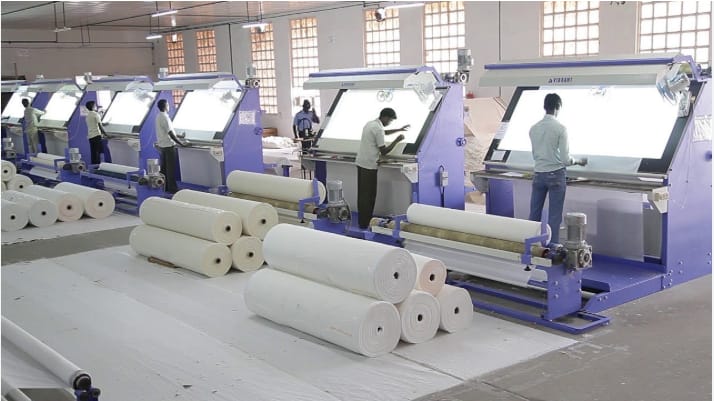
- Fabric defects
- Color consistency
- Label verification
- Packaging inspection
- Carton marking verification
- Barcode verification
- Packing accuracy
- Assortment verification
The Final Random Inspection provides buyers with an independent assessment of shipment quality before dispatch.
Container Loading Supervision (CLS)
Container Loading Supervision ensures that approved products are loaded correctly into shipping containers while minimizing the risk of damage during transportation.
Our inspectors verify:
- Container condition
- Container cleanliness
- Container dryness
- Product quantity
- Carton condition
- Proper stacking methods
- Safe loading practices
- Moisture prevention measures
- Container sealing
- Seal number verification
- Shipping documentation
This service helps ensure that inspected goods remain protected until they leave the factory.
Why Choose TICQC for Textile Inspection?
Choosing the right inspection partner is critical to maintaining product quality and protecting your business reputation. TICQC combines industry expertise, experienced inspectors, and internationally recognized inspection methodologies to deliver reliable, transparent, and timely inspection services.
With TICQC, you benefit from:
- Independent and unbiased inspections
- Experienced textile quality inspectors
- Global inspection coverage
- Fast inspection scheduling
- Detailed digital inspection reports
- High-resolution defect photographs
- Transparent communication
- Customized inspection checklists
- International AQL sampling methodology
- Reliable support for importers, exporters, brands, retailers, and manufacturers
Our goal is to help businesses reduce quality risks while ensuring every shipment meets customer expectations.
Textile Products We Inspect
TIC Quality Control (TICQC) provides independent inspection services for a broad range of textile and fabric products across the textile supply chain. Whether you manufacture raw fabrics, finished garments, home textiles, industrial textiles, or fashion accessories, our inspection services help ensure your products meet buyer specifications and quality expectations before shipment.
Our inspection programs can be customized based on your product type, manufacturing process, buyer requirements, and applicable industry standards.
We inspect products including:
Fabrics
- Cotton Fabrics
- Polyester Fabrics
- Woven Fabrics
- Knitted Fabrics
- Denim Fabrics
- Silk Fabrics
- Wool Fabrics
- Linen Fabrics
- Rayon Fabrics
- Viscose Fabrics
- Nylon Fabrics
- Acrylic Fabrics
- Spandex Fabrics
- Blended Fabrics
- Technical Textiles
- Non-Woven Fabrics
Garments & Apparel
We inspect finished garments for quality, workmanship, measurements, labeling, and packaging.
Products include:
- T-Shirts
- Polo Shirts
- Shirts
- Dresses
- Jeans
- Jackets
- Trousers
- Shorts
- Hoodies
- Sweatshirts
- Uniforms
- Children’s Wear
- Sportswear
- Activewear
- Workwear
- Lingerie
- Sleepwear
- Fashion Apparel
Home Textiles
Home textile products require consistent workmanship, proper stitching, and fabric quality to ensure durability and customer satisfaction.
We inspect:
- Bed Sheets
- Pillow Covers
- Duvet Covers
- Comforters
- Blankets
- Quilts
- Towels
- Bathrobes
- Curtains
- Cushion Covers
- Sofa Covers
- Table Linen
- Kitchen Towels
- Mattress Protectors
Textile Accessories
Our inspection services also cover textile accessories, including:
- Scarves
- Shawls
- Caps
- Gloves
- Socks
- Belts
- Fabric Bags
- Fashion Accessories
- Textile Labels
- Fabric Packaging Materials
Textile Quality Parameters We Inspect
Our inspectors evaluate multiple quality characteristics to ensure products comply with buyer specifications and acceptable quality requirements.
Fabric Appearance
Visual inspection includes:
- Surface appearance
- Shade uniformity
- Cleanliness
- Fabric finish
- Printing quality
- Embroidery quality
- Pattern alignment
- Overall presentation
Fabric Construction
We verify construction parameters such as:
- Fabric composition
- Fabric GSM (Gram per Square Meter)
- Fabric width
- Weave construction
- Knit construction
- Thread count (where applicable)
- Fabric weight
- Yarn quality
Measurements
Accurate measurements are essential to meet buyer specifications.
Our inspectors verify:
- Product dimensions
- Garment measurements
- Sleeve length
- Body length
- Chest width
- Waist measurement
- Collar size
- Hem dimensions
- Fabric roll length
- Roll width
Stitching & Workmanship
Poor stitching is one of the most common causes of product rejection.
Our inspection includes:
- Stitch density
- Seam strength
- Seam appearance
- Thread quality
- Loose threads
- Broken stitches
- Needle damage
- Seam alignment
- Reinforcement stitching
- Button attachment
- Zipper installation
Printing & Embroidery
Where applicable, we inspect:
- Print registration
- Print clarity
- Color consistency
- Print durability
- Embroidery quality
- Logo placement
- Artwork accuracy
- Design positioning
Labels & Packaging
Product presentation is equally important.
We verify:
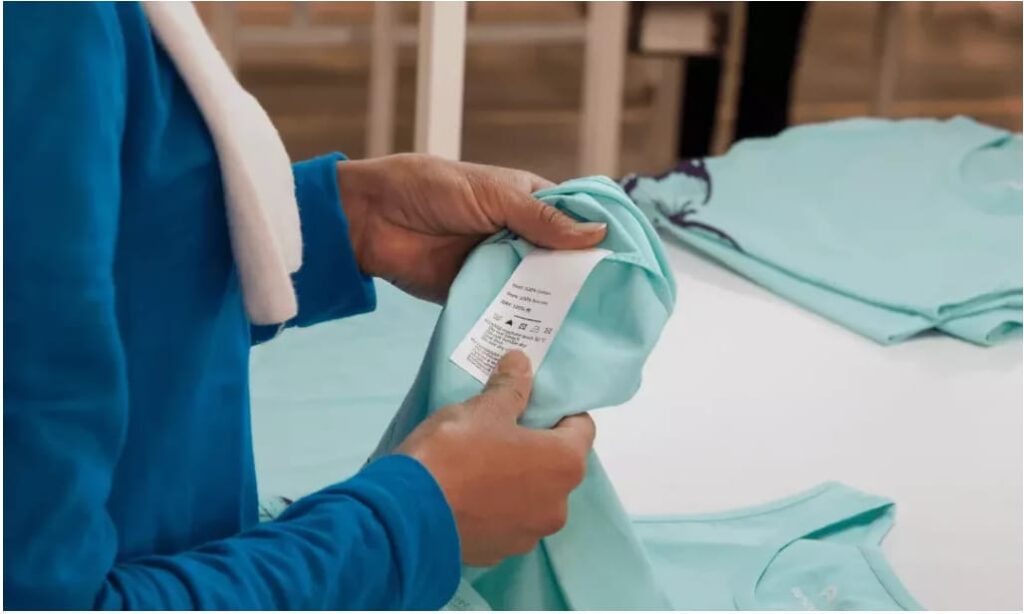
- Care labels
- Size labels
- Brand labels
- Country of origin labels
- Hang tags
- Barcode labels
- Packaging materials
- Carton markings
- Shipping labels
Common Textile & Fabric Defects We Detect
One of the primary objectives of textile inspection is identifying manufacturing defects before products reach the customer.
Our inspectors are trained to identify a wide range of defects, including:
Fabric Defects
- Holes
- Tears
- Broken yarns
- Missing yarns
- Thick places
- Thin places
- Slubs
- Knots
- Oil stains
- Dirt contamination
- Foreign fibers
- Weaving faults
- Knitting defects
- Uneven texture
- Fabric distortion
Dyeing & Finishing Defects
We identify issues such as:
- Shade variation
- Uneven dyeing
- Color bleeding
- Patchy dyeing
- Poor finishing
- Water stains
- Chemical stains
- Uneven coating
- Finish inconsistency
Garment Defects
Typical garment defects include:
- Incorrect measurements
- Open seams
- Broken stitches
- Loose threads
- Needle marks
- Twisted seams
- Skipped stitches
- Incorrect labels
- Missing accessories
- Poor pressing
- Fabric damage during sewing
- Wrong color combinations
Packaging Defects
Packaging inspection includes verification of:
- Damaged cartons
- Incorrect carton markings
- Wrong labels
- Missing documentation
- Incorrect quantity
- Improper packing
- Wet cartons
- Weak packaging materials
Textile Testing Services
In addition to visual inspections, TICQC can coordinate laboratory testing to verify critical performance characteristics of textile products. Testing requirements may vary depending on buyer specifications, intended use, and applicable regulations.
Common textile testing includes:
- Fabric Composition Analysis
- GSM (Fabric Weight) Testing
- Dimensional Stability (Shrinkage) Testing
- Color Fastness to Washing
- Color Fastness to Rubbing (Crocking)
- Color Fastness to Perspiration
- Color Fastness to Light
- Tensile Strength Testing
- Tear Strength Testing
- Seam Strength Testing
- Pilling Resistance Testing
- Abrasion Resistance Testing
- Bursting Strength Testing (for knitted fabrics)
- Water Absorbency Testing
- Water Repellency Testing (where applicable)
- Flammability Testing (where required)
- pH Value Testing
- Formaldehyde Content Testing (where specified)
- Azo Dye Testing (where required by market regulations)
By combining visual inspection with appropriate laboratory testing, businesses gain greater confidence that their textile products meet customer expectations and applicable market requirements.
Customized Inspection Checklists
Every textile product is different. TICQC develops customized inspection checklists based on:
- Buyer specifications
- Product type
- Technical data sheets
- Approved samples
- Purchase orders
- Brand requirements
- Customer acceptance criteria
- Applicable quality standards
This tailored approach ensures that inspections focus on the characteristics most critical to your products and your customers.
Our Textile Inspection Process
At TIC Quality Control (TICQC), we follow a structured inspection process to help businesses identify quality issues before products are shipped. Our approach provides manufacturers, exporters, importers, retailers, and sourcing companies with an independent assessment of product quality, reducing risks across the supply chain.
1. Inspection Request
The process begins when the client shares inspection details, including:
- Product specifications
- Purchase Order (PO)
- Technical data sheet
- Approved sample (if available)
- Factory location
- Production schedule
- Quantity to be inspected
- Preferred inspection date
- Buyer requirements
This information enables our team to prepare an inspection plan tailored to the shipment.
2. Inspection Planning
Once the request is confirmed, TICQC assigns a qualified inspector with relevant textile industry experience. An inspection checklist is prepared based on:
- Client requirements
- Product specifications
- Applicable quality standards
- Acceptance criteria
- Inspection stage (PPI, DPI, FRI, or CLS)
3. On-Site Inspection
Our inspector visits the manufacturing facility and performs a systematic inspection, which may include:
- Verification of production status
- Random sampling
- Product measurements
- Visual quality assessment
- Workmanship evaluation
- Packaging verification
- Label checks
- Carton inspection
- Quantity verification
- Photography of inspected products and identified defects
Where applicable, samples may also be collected for laboratory testing.
4. Reporting
After the inspection, TICQC provides a detailed inspection report that typically includes:
- Inspection summary
- Factory information
- Inspection date
- Product details
- Inspection methodology
- Quantity inspected
- Sampling information
- Inspection findings
- Photographic evidence
- Identified defects
- Measurement results
- Packaging observations
- Final inspection conclusion
Our reports help clients make informed shipping decisions and communicate quality issues effectively with suppliers.
AQL Sampling Methodology
For Final Random Inspections (FRI), TICQC follows ANSI/ASQ Z1.4 / ISO 2859-1 sampling procedures, commonly referred to as AQL (Acceptable Quality Limit).
Rather than inspecting every item in a shipment, a statistically determined sample is selected and examined. This internationally recognized method provides a practical and consistent approach to evaluating overall product quality.
Common AQL levels include:
| Inspection Category | Typical AQL* |
|---|---|
| Critical Defects | 0.0 |
| Major Defects | 2.5 |
| Minor Defects | 4.0 |
*The applicable AQL level depends on buyer requirements, contractual agreements, and product specifications.
Examples of defect classifications:
Critical Defects
- Safety hazards
- Sharp components
- Incorrect product that could cause injury
- Serious regulatory non-compliance
Major Defects
- Broken stitching
- Significant shade variation
- Incorrect measurements beyond tolerance
- Visible fabric damage
- Missing essential components
Minor Defects
- Small loose threads
- Minor cosmetic imperfections
- Slight packaging issues that do not affect product functionality
International Standards & Good Practices
TICQC performs inspections in accordance with recognized inspection methodologies and client requirements. Depending on the product and destination market, inspections may reference:
- ANSI/ASQ Z1.4 Sampling Procedures
- ISO 2859-1 Sampling by Attributes
- ASTM test methods (where specified)
- AATCC textile testing methods (where applicable)
- Buyer-approved specifications
- Brand quality manuals
- Factory quality procedures
When laboratory testing is required, the specific test methods are selected according to the client’s requirements and the applicable market regulations.
Industries We Serve
Our Textile & Fabric Inspection Services support a wide range of industries, including:
- Textile Manufacturers
- Fabric Mills
- Garment Manufacturers
- Apparel Exporters
- Fashion Brands
- Buying Houses
- Retail Chains
- E-commerce Brands
- Home Textile Manufacturers
- Hospitality Textile Suppliers
- Industrial Textile Producers
- Promotional Merchandise Suppliers
- Sportswear Manufacturers
- Children’s Apparel Manufacturers
- Uniform Suppliers
Whether you produce large-volume export orders or specialized textile products, our inspection services help improve consistency and reduce quality risks.
Why Choose TICQC?
Businesses choose TICQC because we combine technical expertise, independent inspections, and timely reporting to support quality-focused supply chains.
Independent & Unbiased Inspections
As an independent inspection company, we provide objective assessments based on agreed specifications and inspection criteria.
Experienced Inspectors
Our inspectors understand textile manufacturing processes, common defects, and quality expectations across different product categories.
Customized Inspection Programs
Every client has unique requirements. We tailor inspection checklists to product specifications, buyer standards, and production needs.
Timely Reporting
Inspection reports are delivered promptly, enabling clients to make shipping decisions without unnecessary delays.
Global Supply Chain Support
We work with manufacturers, exporters, importers, retailers, sourcing offices, and brand owners to support quality assurance throughout the textile supply chain.
Transparent Communication
Our reports include detailed observations, measurements, and photographic evidence to provide clear visibility into product quality.
GLOBAL PRESENCE
Headquartered in Dubai, UAE, TICQC operates globally, serving clients across various regions.
OUR CERTIFICATIONS