India’s agricultural and food processing industries play an important role in strengthening the country’s economy, supporting food security and creating opportunities across domestic and international markets. Among these sectors, the soybean and edible oil industry holds significant importance due to its contribution to food production, animal nutrition, industrial applications and agricultural trade.
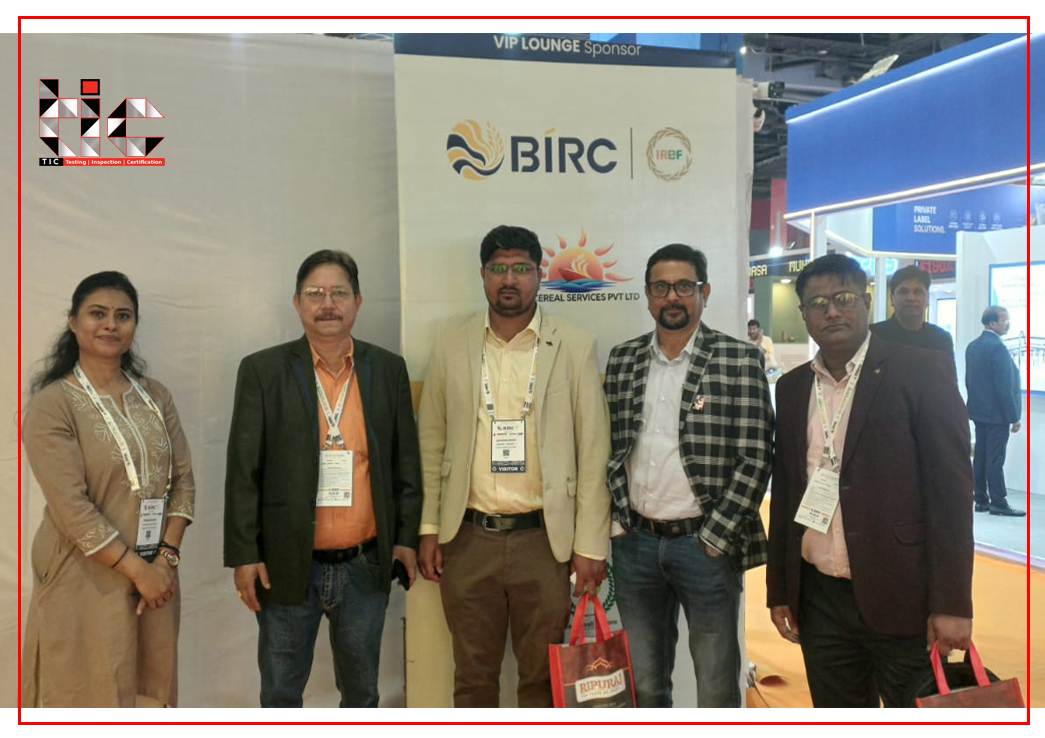
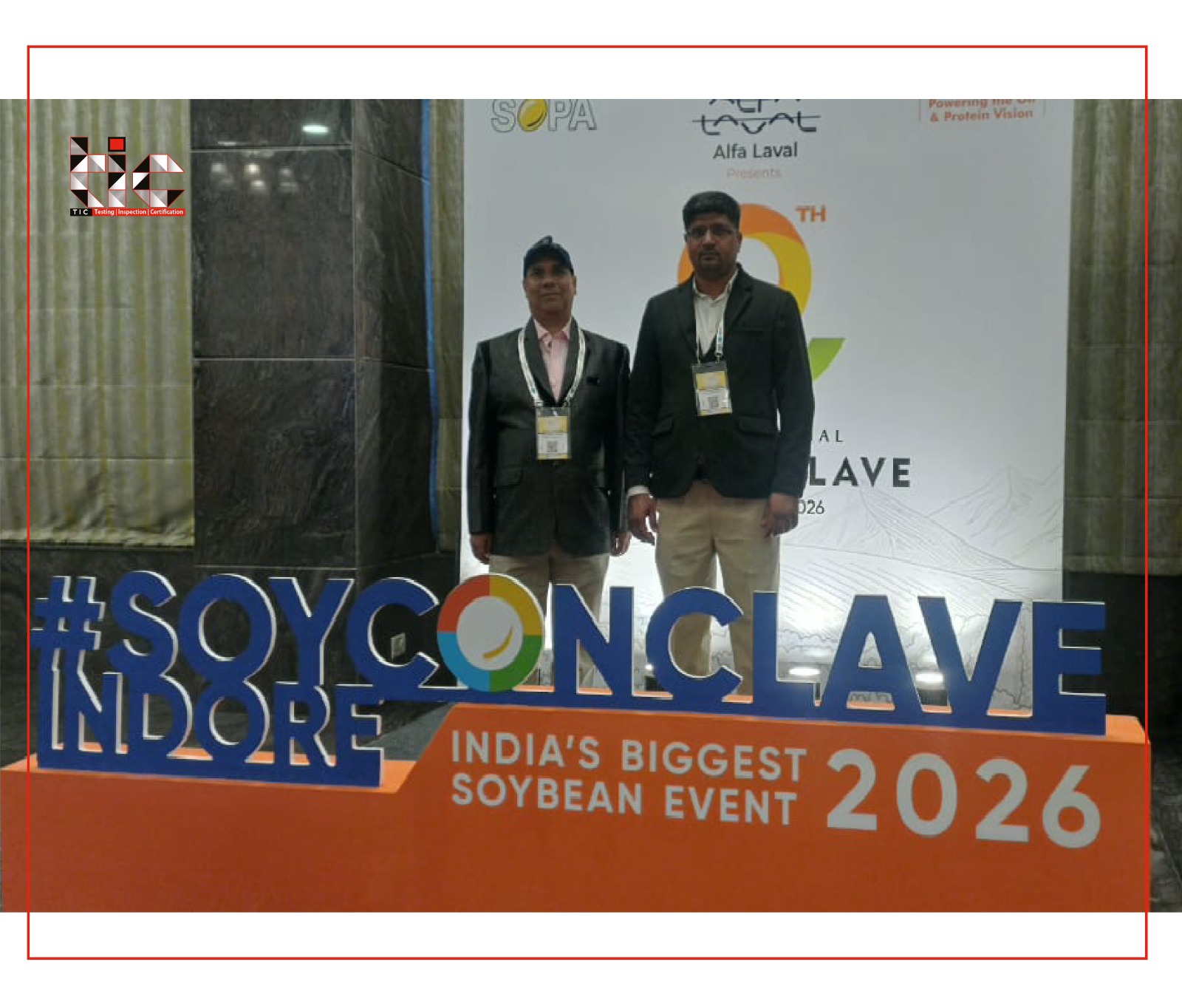
Recognising the importance of this evolving industry, the TIC Quality Control (TICQC) team attended the International Soya Conclave 2026, organised by the Soybean Processors Association of India (SOPA) at the Brilliant Convention Centre, Indore, Madhya Pradesh.
Presented by Alfa Laval, the conclave was centred around the theme “Atmanirbhar Bharat – Powering the Oil & Protein Vision.”
The event brought together industry leaders, soybean processors, researchers, agricultural stakeholders and business professionals to discuss developments, challenges and opportunities across India’s soybean and edible oil value chain.
For the TICQC team, the event provided an opportunity to gain valuable industry insights, understand evolving market dynamics and strengthen professional connections within the agricultural commodity and food processing sectors.
International Soya Conclave 2026: A Platform for Industry Knowledge and Collaboration
The International Soya Conclave 2026 provided a platform for discussions surrounding India’s soybean economy, edible oil production, processing technologies and the future of the oilseed industry.
Organised by the Soybean Processors Association of India (SOPA), the conclave focused on strengthening the soybean processing sector and exploring opportunities to enhance India’s position in the global oilseed and protein market.
The event encouraged discussions around several important industry areas, including:
- Soybean production and processing
- Edible oil manufacturing and refining
- Soybean meal and protein production
- Agricultural commodity markets
- Processing technologies and industrial innovation
- Domestic and international trade opportunities
- Supply chain development and market competitiveness
- India’s self-reliance in edible oils and protein production
Such industry gatherings are important for exchanging technical knowledge, understanding market developments and encouraging collaboration between different stakeholders.
Understanding India’s Soybean Industry
Soybean is one of India’s important oilseed crops, offering value through both its oil and protein-rich by-products.
The crop has applications across multiple industries, making it an important agricultural commodity for farmers, processors, manufacturers and traders.
The soybean value chain includes several stages:
1. Soybean Cultivation and Agricultural Production
Soybean cultivation contributes to India’s agricultural economy, particularly across major producing states such as Madhya Pradesh, Maharashtra and Rajasthan.
Crop productivity depends on factors such as seed quality, climatic conditions, soil characteristics, agricultural practices and harvesting methods.
Maintaining appropriate agricultural practices and post-harvest handling is important for preserving commodity quality.
2. Soybean Processing and Oil Extraction
After harvesting, soybeans are transported to processing facilities where they undergo cleaning, grading and preparation before oil extraction.
Processing methods may include mechanical extraction and solvent extraction, depending on the facility and production requirements.
The extracted crude soybean oil can undergo further refining to produce edible oil suitable for consumption.
3. Soybean Meal and Protein Production
Soybean meal is an important by-product of soybean oil extraction.
It is widely used in animal feed and poultry nutrition because of its protein content and nutritional value.
The quality and nutritional characteristics of soybean meal are important considerations for feed manufacturers and buyers.
4. Edible Oil Refining and Distribution
Crude soybean oil undergoes refining processes to remove unwanted impurities and improve its suitability for consumption.
The refining process may involve degumming, neutralisation, bleaching and deodorisation.
The final product enters the edible oil supply chain through manufacturers, distributors, wholesalers and retailers.
The Importance of Quality Control in the Soybean and Edible Oil Industry
Quality control is an essential part of agricultural commodity processing and food supply chains.
From raw soybean procurement to final edible oil distribution, maintaining consistent quality helps businesses meet customer expectations, contractual specifications and applicable regulatory requirements.
Several quality parameters are important throughout the soybean and edible oil value chain.
Soybean Quality Assessment
Raw soybean quality may be evaluated through parameters such as:
- Moisture content
- Foreign matter
- Damaged and discoloured seeds
- Broken and immature grains
- Oil content
- Protein content
- Presence of contaminants, where applicable
These parameters can influence processing efficiency, storage conditions and the commercial value of the commodity.
Edible Oil Quality Testing
Edible oil quality is evaluated using relevant physical and chemical parameters.
Depending on the product and applicable specifications, important parameters may include:
- Free fatty acid (FFA) content
- Acid value
- Peroxide value
- Moisture and volatile matter
- Iodine value
- Saponification value
- Colour and clarity
- Fatty acid composition
Appropriate testing helps manufacturers and buyers assess product quality and verify conformity with applicable requirements.
Storage and Transportation
Proper storage and transportation are important for maintaining agricultural commodity quality.
Exposure to moisture, unsuitable temperatures, contamination and inadequate storage conditions can affect soybean quality and edible oil stability.
Appropriate handling, storage management and quality monitoring help minimise avoidable losses across the supply chain.
Why Testing, Inspection and Quality Assurance Matter in Agricultural Trade
The international agricultural commodity market involves multiple stakeholders, including farmers, exporters, importers, processors, traders and logistics providers.
When commodities move across domestic and international markets, buyers and sellers need reliable information about product quality, quantity and conformity with agreed specifications.
This is where Testing, Inspection and Certification (TIC) services become important.
Testing: Laboratory testing helps evaluate the physical, chemical and other relevant characteristics of agricultural commodities and food products.
Inspection: Inspection helps assess the condition, quality, quantity and conformity of commodities at different stages of handling, storage, processing and shipment.
Certification: Certification provides formal confirmation that a product, process or system meets specified requirements within the scope of an applicable certification scheme.
Together, these activities contribute to greater transparency, quality assurance and confidence across agricultural supply chains.
For businesses involved in soybean trading, edible oil manufacturing and agricultural exports, appropriate quality verification can support better procurement decisions, contractual compliance and international trade requirements.
Atmanirbhar Bharat: Strengthening India’s Oil and Protein Economy
The theme “Atmanirbhar Bharat – Powering the Oil & Protein Vision” highlighted an important area of discussion for India’s agricultural and food processing industries.
Reducing dependence on imported edible oils, strengthening domestic oilseed production and improving processing capabilities are important considerations for India’s agricultural development.
Soybean contributes to this vision through its dual value as an oilseed and protein-rich agricultural commodity.
Strengthening the domestic soybean ecosystem requires attention to several areas:
- Improved agricultural productivity
- Quality seed availability
- Efficient harvesting and post-harvest management
- Modern soybean processing infrastructure
- Advanced edible oil extraction and refining technologies
- Better quality control and testing facilities
- Stronger agricultural supply chains
- Increased domestic value addition
Collaboration between farmers, processors, technology providers, research institutions and quality assurance organisations can contribute to the long-term development of this sector.
TICQC’s Participation at International Soya Conclave 2026
The participation of TIC Quality Control (TICQC) at the International Soya Conclave 2026 reflects the importance of staying connected with evolving agricultural and food processing industries.
The event offered the TICQC team an opportunity to explore developments across the soybean processing industry, edible oil sector and agricultural commodity markets.
Discussions and industry interactions provided valuable perspectives on market requirements, processing developments, quality considerations and the changing needs of businesses operating across the soybean value chain.
TICQC recognises that quality assurance, reliable testing, inspection and compliance play important roles in supporting agricultural trade and industrial supply chains.
Through continued industry engagement, TICQC aims to stay informed about emerging requirements and developments across the sectors it serves.
Looking Ahead: Building Stronger Agricultural Supply Chains
India’s soybean and edible oil industries have significant opportunities for growth through technological innovation, improved agricultural practices, modern processing infrastructure and stronger quality management systems.
As the sector continues to evolve, maintaining product quality, improving supply chain transparency and meeting applicable standards will remain important for businesses operating in domestic and international markets.
Industry platforms such as the International Soya Conclave 2026 encourage knowledge exchange, professional networking and collaboration among stakeholders working towards the future of India’s oilseed and protein economy.
TICQC is pleased to have participated in this important industry gathering and looks forward to continued engagement with the agricultural commodity, food processing and edible oil sectors.
To learn more about TIC Quality Control and its quality-related services, visit www.ticqc.ae.