The global energy landscape is undergoing a significant transformation. With increasing investments in solar energy, wind power, battery storage, green hydrogen and renewable technologies, the importance of reliable infrastructure, product quality and technical compliance continues to grow.
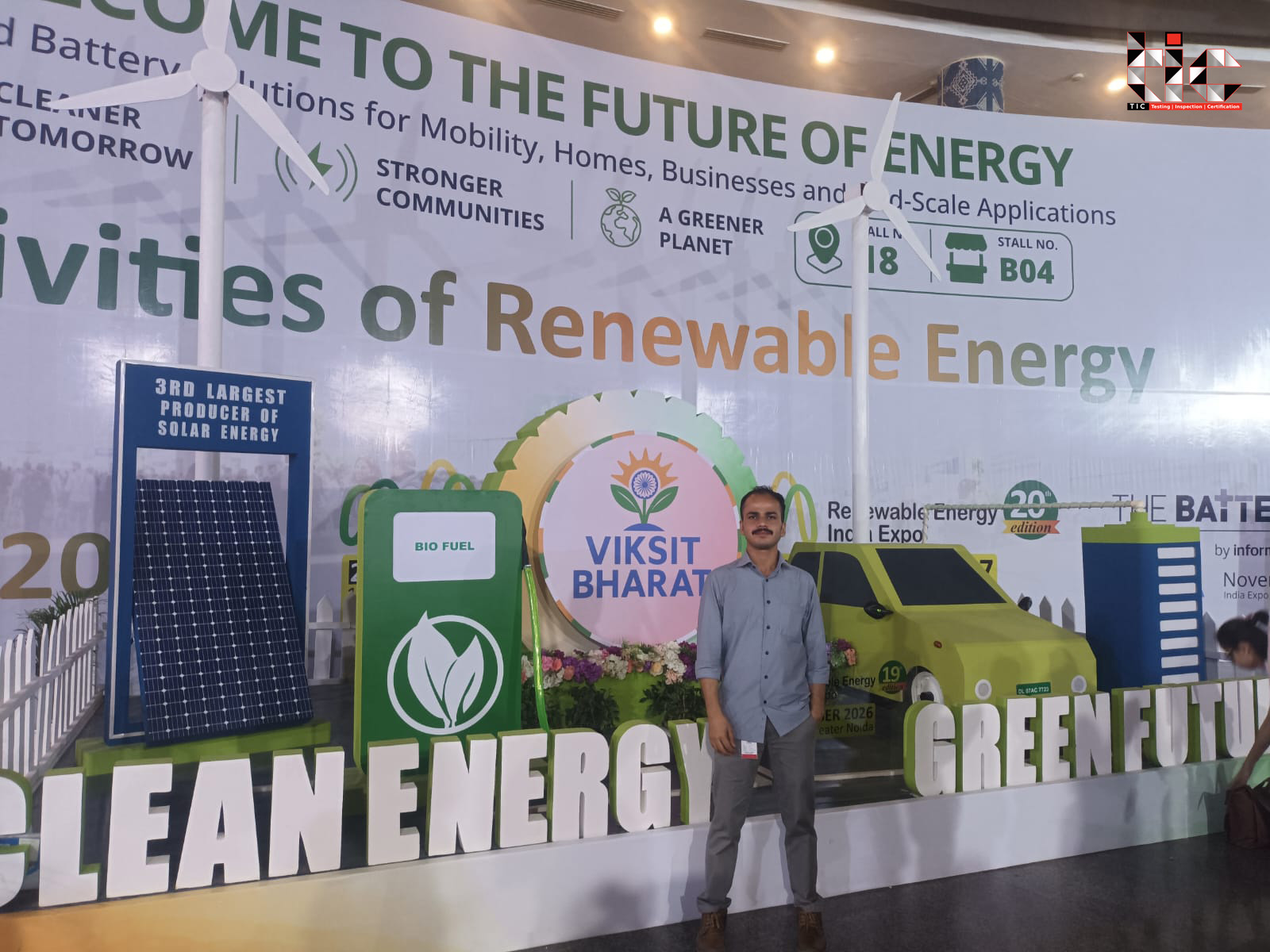
Recognising the importance of this evolving industry, TIC Quality Control (TICQC) participated in the Renewable Energy India Expo 2026, held from 22 to 24 October 2026 at India Expo Centre & Mart, Greater Noida, India.
The event brought together manufacturers, technology providers, energy developers, investors, industry experts and other stakeholders from across the renewable energy ecosystem.
For the TICQC team, participation provided an opportunity to explore emerging technological developments, understand evolving industry requirements and engage with the growing renewable energy sector in India.
Renewable Energy India Expo 2026: A Platform for Industry Collaboration
The Renewable Energy India Expo (REI Expo) is one of India’s major industry platforms dedicated to renewable energy technologies, products and solutions.
The 2026 edition provided an opportunity for businesses and industry professionals to explore developments across several segments of the clean energy ecosystem.
Key industry areas included:
- Solar energy generation and manufacturing
- Wind energy technologies and infrastructure
- Battery manufacturing and energy storage systems
- Green hydrogen and renewable fuels
- Bioenergy and waste-to-energy solutions
- Electric mobility and charging infrastructure
- Power electronics and grid integration
The exhibition highlighted how technological innovation, manufacturing capabilities and industry collaboration are shaping the future of clean energy.
India’s Renewable Energy Sector: Growth and Emerging Opportunities
India is steadily strengthening its position in the global renewable energy market. Government initiatives, private-sector investments, technological advancements and increasing demand for cleaner energy sources are contributing to the expansion of renewable energy infrastructure.
Solar power remains a major contributor to this transition, while wind energy, bioenergy and energy storage are becoming increasingly important components of India’s energy ecosystem.
The expansion of renewable energy creates opportunities across several industries.
1. Solar Energy
Solar energy is one of the fastest-growing renewable energy segments in India.
The sector includes solar photovoltaic (PV) modules, solar cells, inverters, mounting structures, trackers and associated electrical equipment.
As manufacturing and installation capacities expand, maintaining product quality, electrical safety and performance consistency becomes increasingly important.
2. Wind Energy
Wind power plays an important role in diversifying renewable electricity generation.
Wind turbines, blades, gearboxes, generators, towers and associated components must meet relevant technical and safety requirements.
Reliable equipment and appropriate inspection procedures are essential for supporting long-term operational performance.
3. Battery Energy Storage Systems (BESS)
Battery Energy Storage Systems (BESS) help address the intermittent nature of renewable energy generation.
These systems store electricity generated during periods of high production and release it when demand increases or renewable generation decreases.
Battery performance, thermal management, electrical safety and system reliability are important considerations throughout the battery supply chain.
4. Green Hydrogen
Green hydrogen is produced using renewable electricity to power water electrolysis.
It is being explored for applications in industries such as steel, chemicals, fertilisers, transportation and other energy-intensive sectors.
Its development requires appropriate equipment, process safety measures, technical standards and reliable infrastructure.
5. Bioenergy and Waste-to-Energy
Bioenergy solutions use organic materials, agricultural residues, biomass and other suitable waste streams to produce energy.
These technologies can contribute to resource efficiency, waste management and the development of circular economic systems.
Why Quality Assurance Matters in the Renewable Energy Industry
Renewable energy projects involve complex supply chains, specialised equipment, large-scale infrastructure and multiple technical requirements.
A defect in a critical component, inadequate manufacturing control or failure to meet applicable specifications can affect equipment performance, project timelines, operational safety and overall investment.
This makes quality assurance in renewable energy an important consideration throughout the value chain.
Some major areas where quality assurance plays a role include:
1. Raw Material and Component Quality
The quality of raw materials and individual components can directly influence the performance and reliability of renewable energy equipment.
Appropriate verification helps businesses assess whether materials and components meet defined specifications.
2. Manufacturing Quality Control
Manufacturing processes require consistent monitoring to maintain product specifications, production quality and process reliability.
Manufacturing quality control procedures can help manufacturers identify deviations and improve production consistency.
3. Inspection and Testing
Inspection and testing services provide technical information about product characteristics, performance and conformity with applicable requirements.
Depending on the product and assessment scope, testing may include electrical, mechanical, dimensional, environmental or safety-related evaluations.
4. Regulatory Compliance and Certification
Renewable energy equipment may be subject to national regulations, international standards, contractual specifications and market-specific conformity requirements.
Understanding applicable requirements before manufacturing, procurement or export can help businesses avoid unnecessary compliance complications.
5. Supply Chain Verification
Renewable energy projects often involve suppliers, manufacturers and equipment sourced from different countries.
Independent verification and appropriate documentation can contribute to supply chain transparency, procurement confidence and quality management.
The Role of Testing, Inspection and Certification in Sustainable Development
Testing, Inspection and Certification (TIC) services form an important part of industrial quality infrastructure.
These activities help businesses obtain independent technical information, evaluate conformity and demonstrate compliance with relevant requirements.
Although each activity has a different purpose, they work together to strengthen quality and confidence across industrial supply chains.
Testing
Testing involves evaluating materials, products or equipment against defined technical requirements or test methods. It helps determine specific characteristics, performance parameters and safety-related properties.
Inspection
Inspection involves examining products, materials, equipment, processes or facilities to determine whether they meet specified requirements.
Depending on the assignment, inspection may take place during manufacturing, before shipment, at installation or during other defined stages.
Certification
Certification provides formal attestation that a product, process, service or management system meets specified requirements within the scope of an applicable certification scheme.
Certification should be performed by an appropriately competent and recognised certification body within its authorised scope.
Together, these activities contribute to better quality management, risk reduction, regulatory compliance and confidence among manufacturers, suppliers, buyers and project stakeholders.
How Quality Standards Support Renewable Energy Infrastructure
Renewable energy equipment operates in different environmental and industrial conditions.
Solar installations may experience high temperatures, humidity, dust and prolonged exposure to sunlight, while wind energy equipment must withstand mechanical loads and changing weather conditions.
Battery storage systems also require careful consideration of electrical and thermal safety.
Applicable standards and technical specifications help establish consistent requirements for product design, manufacturing, testing, installation and operation.
Depending on the product and application, relevant standards may come from organisations such as:
- International Organization for Standardization (ISO)
- International Electrotechnical Commission (IEC)
- Bureau of Indian Standards (BIS)
- Other applicable national and international regulatory authorities
It is important for manufacturers and project developers to identify the correct standards and regulatory requirements for their specific equipment and target markets.
Compliance should always be evaluated against the relevant product category, intended application and applicable technical scope.
TICQC’s Participation: Connecting Quality with Industry Innovation
TIC Quality Control (TICQC) believes that quality, technical competence and compliance awareness are essential elements of sustainable industrial development.
The team’s participation in Renewable Energy India Expo 2026 reflects its interest in understanding evolving industry requirements and engaging with businesses operating across emerging technology sectors.
The exhibition provided an opportunity to observe developments in renewable energy manufacturing, energy storage, clean energy technologies and supporting industrial infrastructure.
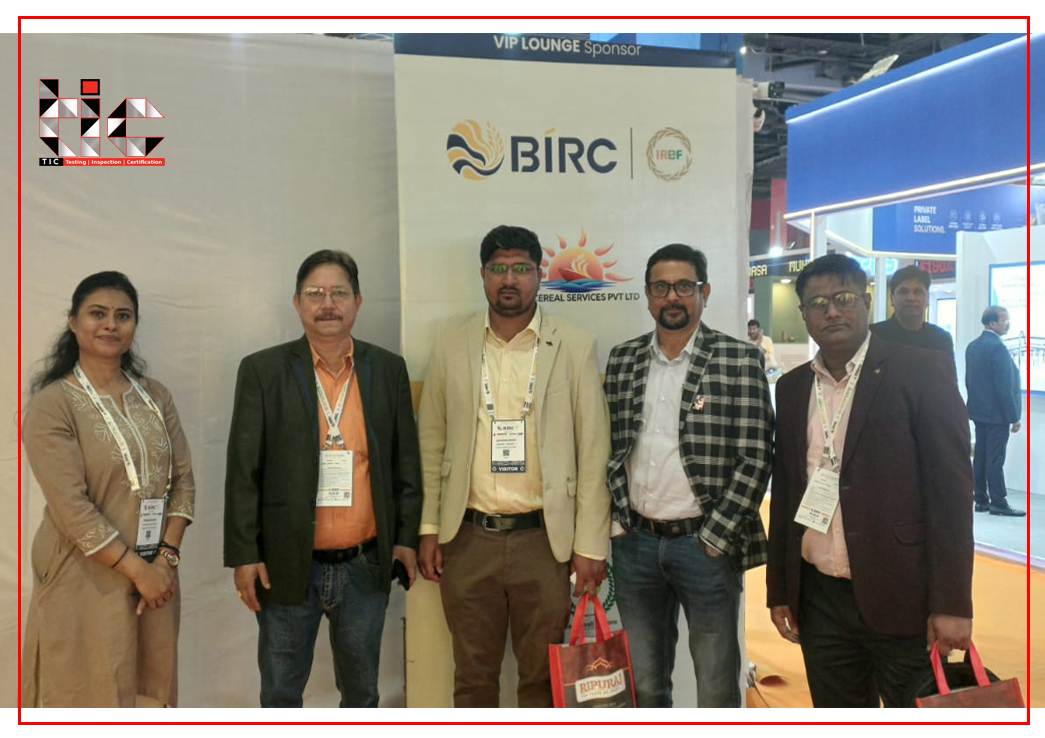
The TICQC team, including Manish Kumar, participated in the exhibition to explore industry developments, gain insights into emerging technologies and understand the growing importance of quality assurance across renewable energy supply chains.
With its experience across testing, inspection, quality control and conformity-related services in multiple industries, TICQC recognises the importance of maintaining product integrity, meeting applicable requirements and building confidence throughout supply chains.
TICQC continues to focus on delivering professional quality solutions that support businesses in managing quality, safety and compliance requirements across their respective industries.
Building a More Reliable and Sustainable Energy Future
The transition towards renewable energy is not only about generating electricity from cleaner sources. It also requires dependable manufacturing processes, reliable equipment, responsible supply chains and appropriate technical verification.
As India’s renewable energy ecosystem continues to develop, collaboration between manufacturers, technology providers, project developers, regulators and quality assurance professionals will remain important.
Industry platforms such as Renewable Energy India Expo create valuable opportunities to exchange knowledge, understand emerging challenges and explore solutions that can contribute to long-term industrial development.
TICQC is pleased to have been part of Renewable Energy India Expo 2026 and looks forward to continuing its engagement with evolving industries where quality, safety and compliance matter.
To learn more about TIC Quality Control’s inspection, testing and quality solutions, visit www.ticqc.ae.