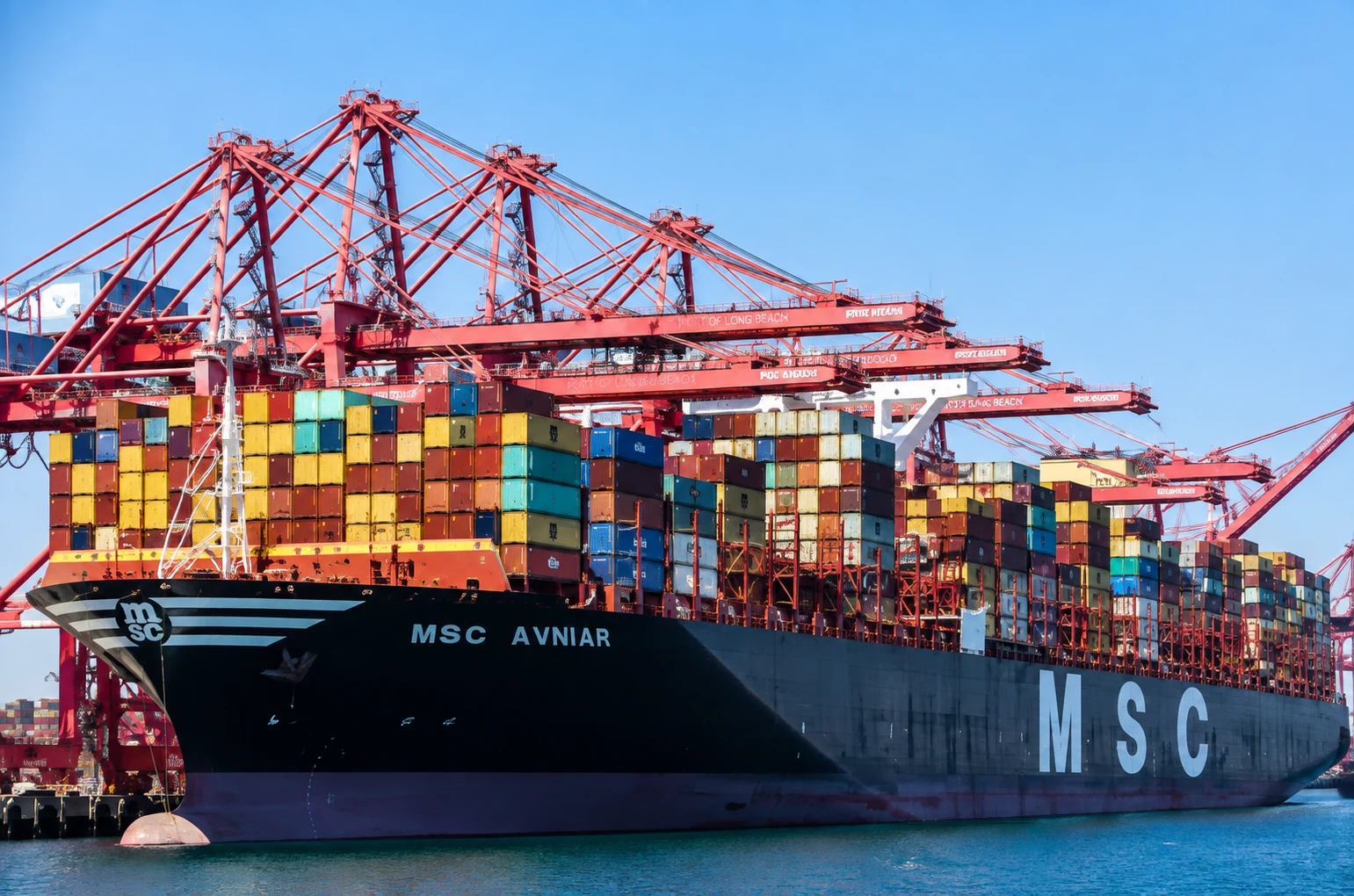
The reopening of cargo movement to the Upper Gulf is a significant development for global trade. However, while shipments have resumed, operations have not returned to their previous structure.
Hapag-Lloyd AG has announced the resumption of bookings to key destinations in the Upper Gulf. At the same time, carriers are deliberately avoiding direct transit through the Strait of Hormuz due to ongoing regional risks. Instead, they are implementing alternative routing strategies to maintain supply chain continuity.
For exporters dealing with Iraq, Kuwait, Saudi Arabia, Qatar, and the United Arab Emirates, these changes introduce new operational considerations that must be understood and managed effectively.
What Has Changed in Upper Gulf Shipping?
Traditionally, cargo destined for the Upper Gulf would move directly through the Strait of Hormuz. This route has long been the primary maritime corridor connecting global shipping networks to Gulf ports.
The current situation reflects a different approach. Shipping lines have resumed services but are relying on a combination of:
- Third-party feeder vessels
- Regional transshipment hubs
- Bonded land transportation
This shift represents a structural adjustment in logistics operations rather than a temporary workaround.
Why Are Carriers Avoiding the Strait of Hormuz?
The Strait of Hormuz remains one of the most strategically important shipping routes in the world. However, it is also highly sensitive to geopolitical developments.
To mitigate risk and ensure uninterrupted cargo flow, carriers are choosing to:
- Reduce exposure to high-risk maritime zones
- Maintain operational continuity through alternative routing
- Protect cargo, vessels, and crew
This strategy allows trade to continue, even under uncertain regional conditions.
How the New Routing System Works
The revised logistics model involves multiple stages instead of a single direct shipping route.
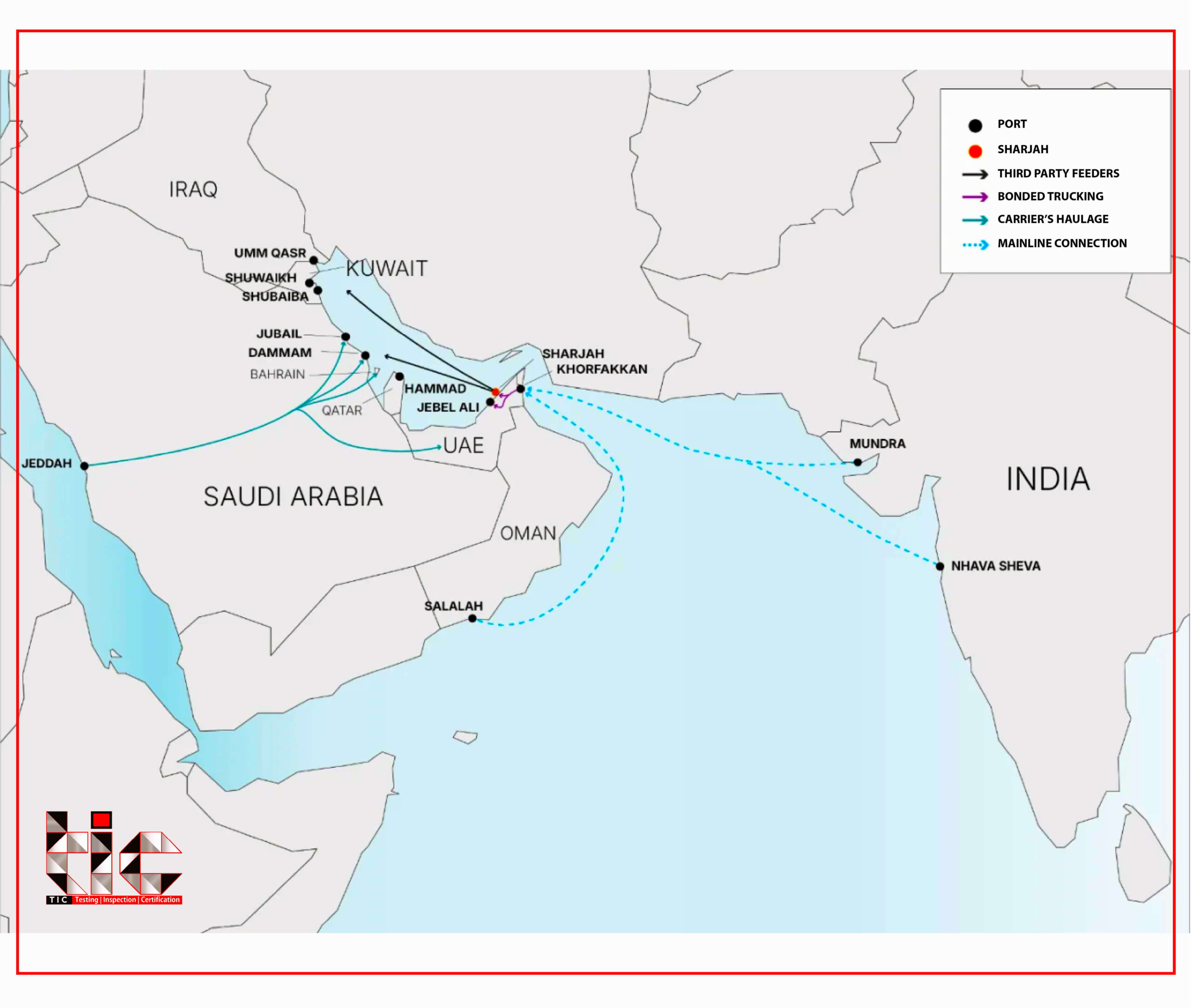
Cargo is first transported to regional hubs such as Sharjah. From there, it is redistributed using feeder services and land transport connections. A key component of this system is bonded trucking between Sharjah and Khorfakkan, which typically takes approximately five days.
From these connection points, feeder vessels serve Upper Gulf destinations including Iraq, Kuwait, Dammam in Saudi Arabia, Qatar, and the United Arab Emirates.
While effective, this system introduces additional coordination and complexity compared to traditional direct shipping routes.
Key Operational Considerations
Exporters and logistics planners must take several factors into account when working within this updated framework.
Irregular Scheduling
Feeder vessel operations are not running on fixed weekly schedules. Instead, they are influenced by regional safety conditions and operational constraints. This can result in variability in departure and arrival times.
Extended Transit Times
The use of transshipment and land transport adds extra steps to the logistics chain. As a result, overall transit times may be longer than before.
Cargo Limitations
The current setup supports dry cargo, reefer cargo, and in-gauge special cargo. Out-of-gauge shipments may require alternative arrangements or additional planning.
Alternative Routing Options
Carrier’s Haulage solutions via Jeddah remain available and can serve as an additional option depending on shipment requirements.
Impact on Exporters to Iraq
Exporters to Iraq should pay particular attention to these developments. In addition to logistical complexity, shipments to Iraq require strict compliance with regulatory requirements.
These often include:
- Certificate of Conformity (CoC)
- Product inspection and verification
- Accurate documentation for customs clearance
With routing becoming more complex, any errors in compliance or documentation can lead to delays, increased costs, or rejected shipments.
Cost and Planning Implications
The new routing model may influence overall logistics costs. Exporters should consider:
- Additional handling and transshipment charges
- Potential increases in freight rates
- Costs associated with extended transit times
Careful planning and cost assessment are essential to maintaining profitability and delivery reliability.
A Shift in Supply Chain Strategy
This development highlights a broader trend in global logistics. Supply chains are increasingly being designed with flexibility and risk management in mind.
Rather than relying on a single critical route, companies are adopting diversified logistics strategies that can adapt to changing conditions.
This shift emphasizes:
- Resilience over efficiency alone
- Multi-modal transport solutions
- Proactive risk mitigation
For exporters, this means adjusting expectations and planning processes accordingly.
How Businesses Can Adapt
To navigate this evolving landscape, businesses should focus on the following:
- Plan shipments earlier to accommodate variability
- Maintain close communication with logistics partners
- Ensure all documentation is accurate and complete
- Build flexibility into supply chain operations
These steps can help reduce disruptions and maintain consistent cargo flow.
The Role of TICQC
TICQC supports exporters by providing reliable compliance and inspection services, particularly for shipments to Iraq.
Our services include:
- Certificate of Conformity (CoC) issuance
- Product inspection and verification
- Guidance on regulatory requirements
In an environment where logistics operations are becoming more complex, ensuring compliance is critical to avoiding delays and maintaining smooth trade flows.
Conclusion
The reopening of Upper Gulf shipping routes is a positive development, but it does not represent a return to previous operating conditions.
By avoiding direct transit through the Strait of Hormuz and adopting alternative routing strategies, carriers are prioritizing continuity and risk management.
Exporters must adapt to this new environment by planning more carefully, maintaining flexibility, and ensuring full compliance with regulatory requirements.
As global logistics continues to evolve, businesses that respond proactively to these changes will be better positioned to maintain efficiency and competitiveness in international trade.