
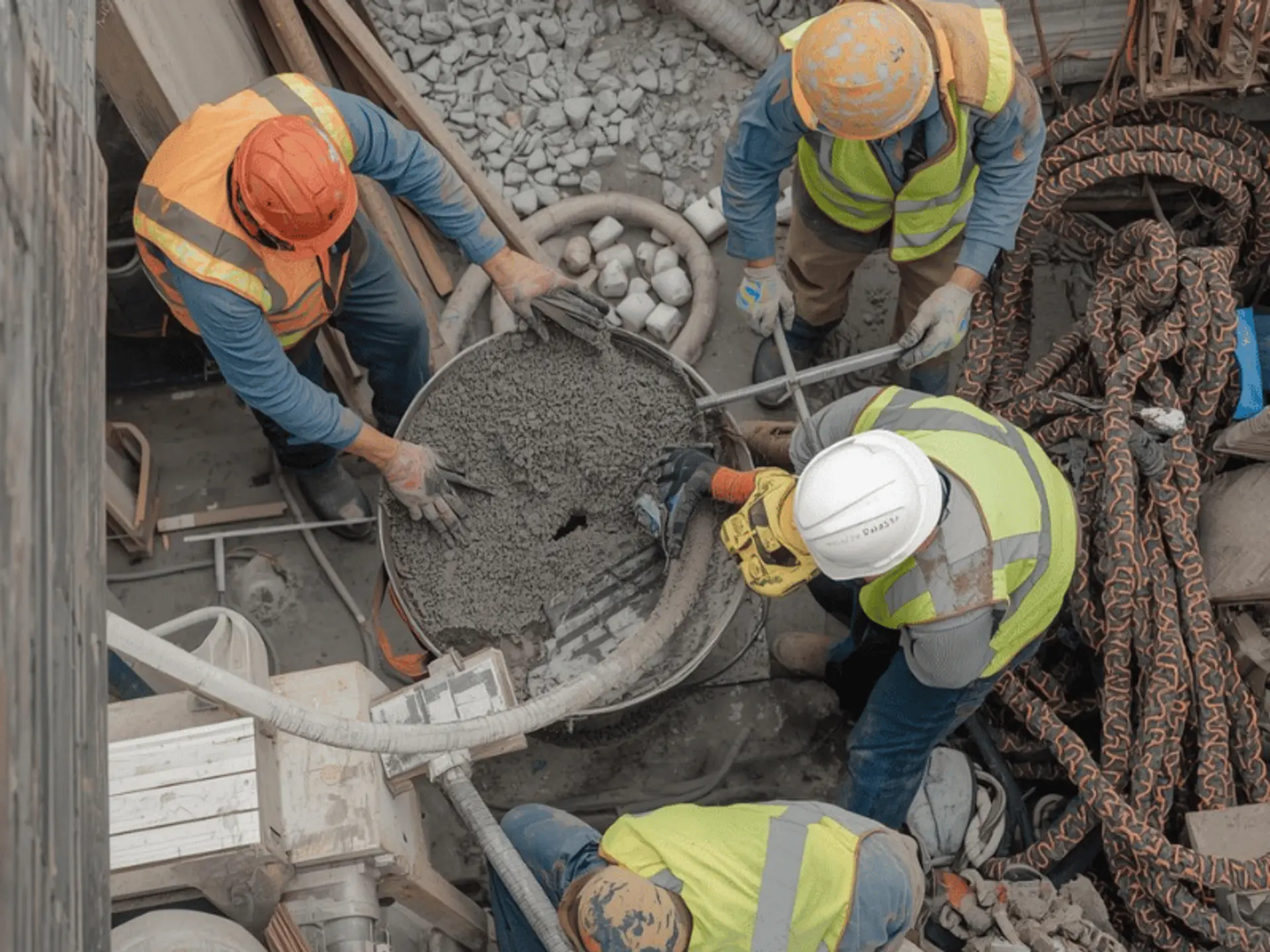
First, we’ll inspect the grout quality. Then, you fill the gaps!
Grout may seem like a small part of a construction project, but its role in tile installation and surface finishing is far from insignificant. Whether used in residential buildings, commercial spaces, industrial facilities or infrastructure projects, grout contributes to the durability, appearance and performance of tiled surfaces.
Recently, the phrase “We’ll just fill it with grout!” has been making its way into viral construction-related memes and social media conversations. While it makes for an entertaining trend, it also brings attention to an important question:
Are we paying enough attention to the quality of the grout being used?
At TIC Quality Control (TICQC), we believe quality should be considered before application, not after problems appear.
What Is Grout and Why Is It Important in Construction?
Grout is a construction material used to fill the joints between tiles, stones and other tiled surfaces. It creates a finished appearance while helping protect joints against moisture, dirt and everyday wear.
Depending on the application and performance requirements, grout is available in different formulations.
Common types include:
- Cement-Based Grout: A widely used formulation for filling tile joints in residential and commercial applications.
- Epoxy Grout: A resin-based material often selected where higher chemical resistance and reduced water absorption are required.
- Other Specialised Grouts: Formulations developed for specific industrial, architectural and construction requirements.
Although these products serve similar purposes, their composition, properties and intended applications can differ considerably. Selecting an appropriate product and verifying its quality are important considerations for any construction project.
Why Does Grout Quality Deserve Attention?
Grout joints may be relatively small compared with the overall tiled surface, but their performance can influence the long-term condition of an installation.
Poor-quality or unsuitable grout may contribute to several issues, depending on the material, application and service environment.
1. Water Absorption
Excessive water absorption can affect grout performance, particularly in areas exposed to moisture, such as bathrooms, kitchens and other wet environments.
2. Shrinkage and Cracking
Changes in grout volume during curing can contribute to shrinkage-related issues and cracking if the product does not perform as required.
3. Strength and Durability
Flexural and compressive strength are important characteristics when evaluating the mechanical performance of grout materials.
4. Abrasion Resistance
Flooring joints may experience regular foot traffic, cleaning and surface wear. Abrasion resistance is therefore an important consideration for suitable applications.
5. Chemical Resistance
Industrial, commercial and specialised environments may expose grout to cleaning agents and chemicals. The material’s resistance should be evaluated according to its intended service conditions.
These factors demonstrate why grout selection should involve more than colour, appearance or price.
What Does Grout Quality Testing Involve?
Grout testing helps evaluate whether a material’s characteristics align with its intended application and relevant technical requirements.
Depending on the grout formulation, applicable testing standards and agreed testing scope, the evaluation may include:
- Flexural Strength Testing
- Compressive Strength Testing
- Water Absorption Testing
- Shrinkage Testing
- Abrasion Resistance Testing
- Chemical Resistance Testing
For ceramic tile grouts, EN 13888-2 specifies test methods covering several of these characteristics. The appropriate methods depend on the product type and applicable requirements.
Testing provides manufacturers, suppliers, contractors and project stakeholders with valuable information about material performance and quality.
Who Should Consider Grout Testing and Inspection?
Quality assessment is relevant throughout the construction material supply chain.
Grout Manufacturers: Evaluate product characteristics and support quality control during manufacturing.
Construction Companies: Assess materials before their use in construction and finishing projects.
Tile and Building Material Suppliers: Obtain technical information about the products they supply.
Importers and Exporters: Address applicable product specifications and market requirements.
Architects and Project Consultants: Consider material performance when specifying products for different applications.
Whether the requirement involves product development, quality verification or project-specific material assessment, appropriate testing can contribute to better-informed decisions.
Why Choose TIC Quality Control (TICQC)?
At TIC Quality Control, we understand that construction quality is built through attention to materials, specifications and performance requirements.
Our quality control and inspection expertise covers a range of industries and product categories, supporting businesses with testing, inspection and quality-related requirements.
For construction material manufacturers, suppliers and project stakeholders, TICQC provides a professional point of contact to discuss material testing and inspection requirements.
Our approach focuses on:
- Understanding Product Specifications
- Identifying Relevant Quality Parameters
- Applicable Testing and Inspection Requirements
- Reliable Quality Assessment
- Supporting Informed Material Decisions
Testing methods and available services are considered according to the material, applicable standards and agreed scope of work.
Before You Fill the Gaps, Check the Quality!
Grout might be the final touch that completes a tiled surface, but its quality deserves attention long before application begins.
The next time someone says, “We’ll just fill it with grout!”, remember that a good finish starts with the right material.
First, we’ll inspect the grout quality. Then, you fill the gaps!
Looking for construction material testing or grout quality assessment?
Connect with TIC Quality Control (TICQC) to discuss your testing and inspection requirements.
TIC Quality Control | Testing | Inspection | Quality Assurance