TIC Quality Control Participates in Bharat International Rice Conference 2026, Strengthening Focus on Rice Quality, Food Safety and Global Trade
The Bharat International Rice Conference 2026 brought together the global rice industry in New Delhi, creating opportunities to discuss quality standards, food safety, export compliance, sustainability and the future of international rice trade.
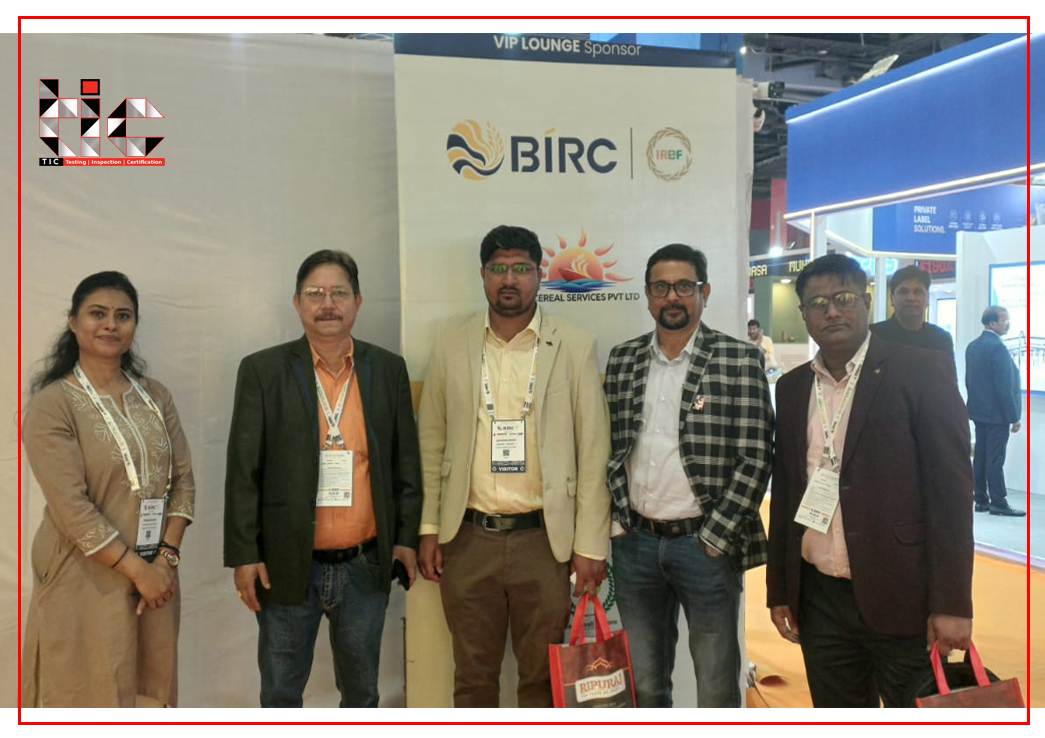
TIC Quality Control (TICQC) was pleased to be part of the Bharat International Rice Conference (BIRC) 2026, held from 23 to 25 October 2026 at Bharat Mandapam, New Delhi, India. The event provided an important platform for engagement with the rice industry and discussions around the changing requirements of quality assurance, inspection, testing and compliance in international agricultural trade.
As rice moves through complex supply chains connecting producers, processors, exporters, importers and international buyers, maintaining consistent quality and meeting destination-market requirements remain essential. Industry gatherings such as BIRC 2026 highlight the importance of reliable quality systems, transparent supply chains and confidence between trading partners.
For TICQC, participation in this industry event reflects the importance of staying connected with evolving market requirements and the growing role of quality and compliance in global commodity trade.
What Is the Bharat International Rice Conference 2026?
The Bharat International Rice Conference 2026 was a major industry gathering organised by the Indian Rice Exporters’ Federation (IREF). Hosted at Bharat Mandapam in New Delhi, the conference brought together stakeholders from across the rice value chain, including exporters, importers, processors, policymakers, technology providers and other industry professionals.
The event focused on the opportunities and challenges shaping the rice industry, including international trade, market development, technological innovation, sustainability and food security.
With India playing a significant role in global rice exports, BIRC 2026 provided a platform for industry participants to exchange knowledge, discuss market developments and explore opportunities for collaboration.
The conference also highlighted the importance of strengthening international partnerships and addressing the practical requirements involved in moving agricultural commodities across borders.
TICQC at BIRC 2026: Connecting Quality with Global Trade
TIC Quality Control recognises that quality assurance is an important part of building trust across international supply chains.
Participation in BIRC 2026 offered an opportunity to engage with the wider rice industry and reflect on the quality, safety and compliance considerations that influence agricultural commodity trade.
For businesses involved in rice production, processing and exports, quality is not limited to the final product. It extends across sourcing, handling, storage, processing, packaging, documentation and shipment.
Different markets may have different requirements for product specifications, food safety, contaminants, pesticide residues, labelling and supporting documentation. Understanding these requirements is important for businesses seeking to maintain buyer confidence and access international markets.
Through its focus on quality control and conformity assessment, TICQC recognises the importance of reliable processes and appropriate verification in supporting transparent and dependable trade.
Why Quality Assurance Matters in the Global Rice Industry
Rice is a staple food for billions of people and an important agricultural commodity in international trade. Maintaining product quality and safety is therefore essential for consumers, businesses and trading partners.
Several factors make quality assurance particularly important in the rice sector.
1. Consistent Rice Quality
International buyers often specify requirements relating to grain size, moisture content, broken rice percentage, foreign matter, appearance and other product characteristics.
Consistency between shipments helps exporters meet contractual specifications and maintain long-term business relationships.
Appropriate sampling, inspection and testing procedures can help businesses assess product characteristics against the applicable requirements.
2. Food Safety and Contaminant Monitoring
Food safety is a central consideration in agricultural commodity supply chains. Depending on the product, destination market and applicable regulations, rice may need to be assessed for relevant contaminants, pesticide residues, heavy metals or other specified parameters.
Testing requirements should be determined according to the applicable legislation, product specifications and buyer requirements.
Reliable food safety controls can help businesses identify potential issues, improve process oversight and make informed decisions before products enter the market.
3. Inspection Across the Supply Chain
Inspection can play an important role at different stages of rice production and trade.
Depending on the assignment, inspection activities may include evaluating product condition, checking quantities, reviewing packaging, examining storage conditions and verifying shipment-related details against agreed specifications.
The scope of inspection should always be defined according to the contract, applicable standards and the needs of the parties involved.
4. Documentation and Export Compliance
International rice trade involves commercial documentation, product specifications, shipping records and, where applicable, certificates or other conformity-related documents.
Incomplete or inconsistent documentation can create delays, additional costs and difficulties during customs clearance or buyer acceptance.
Exporters should identify the requirements of the destination market in advance and ensure that relevant documentation, inspections and testing are completed within the required timelines.
Rice Export Compliance and International Market Access
Access to international markets requires more than identifying potential buyers. Exporters must also understand the regulatory and commercial requirements that apply to their products.
These requirements can vary according to the importing country, rice variety, intended use, shipment conditions and applicable trade arrangements.
Businesses should pay attention to:
- Product specifications and contractual quality requirements.
- Applicable food safety and contaminant limits.
- Pesticide residue requirements, where relevant.
- Packaging, marking and labelling obligations.
- Import permits and supporting documentation, where applicable.
- Inspection, sampling and laboratory testing requirements.
- Country-specific conformity assessment procedures, where required.
Early identification of these requirements can help exporters plan their operations more effectively and reduce the risk of avoidable shipment issues.
Inspection, testing and conformity assessment can support this process when performed within the applicable scope and by appropriately qualified or authorised service providers.
TICQC recognises the importance of understanding market-specific requirements as part of responsible international trade and quality management.
The Role of Inspection and Testing in Agricultural Commodity Trade
Inspection and testing provide different forms of information that can help businesses evaluate products and shipments.
Inspection generally involves examining a product, process, facility, packaging or shipment against defined criteria.
Laboratory testing involves analysing samples for specified characteristics or parameters using appropriate methods.
Conformity assessment involves determining whether relevant requirements have been met, according to the applicable scheme, standards and assessment procedures.
These activities may complement one another, but they are not interchangeable. The appropriate combination depends on the commodity, destination market, buyer requirements and regulatory framework.
For rice exporters, an effective quality management approach begins with understanding the relevant requirements and identifying the appropriate verification activities before shipment.
Clear specifications, representative sampling, suitable testing methods, accurate records and effective communication can all contribute to stronger quality management.
Sustainability and Responsible Practices in the Rice Sector
Sustainability is becoming an increasingly important consideration across agricultural supply chains.
Rice production and distribution involve multiple environmental and operational factors, including water use, energy consumption, agricultural inputs, land management, processing efficiency, packaging and transportation.
As expectations around responsible sourcing evolve, businesses may face growing demand for better information about the environmental and operational aspects of their supply chains.
Areas receiving increasing attention include:
- Responsible use of agricultural resources.
- Improved efficiency in processing and transportation.
- Traceability and supply chain transparency.
- Environmental management and waste reduction.
- Responsible sourcing and supplier evaluation.
- Reliable documentation to support sustainability-related claims.
The relevance of these considerations depends on the business model, market expectations and applicable requirements.
For companies operating in international agricultural trade, integrating appropriate quality systems with responsible business practices can support long-term resilience and stronger relationships with customers.
The discussions around sustainability at industry events such as BIRC 2026 reinforce the importance of considering both product requirements and wider supply chain expectations.
Traceability and Transparency in Rice Supply Chains
Traceability helps businesses understand the movement of products through the supply chain and connect relevant information to specific batches, lots or shipments.
In the rice industry, traceability can support the identification of product origins, supplier records, processing information, storage details and shipment documentation, depending on the systems used.
A well-organised traceability system can help businesses:
- Identify the source of products and materials.
- Maintain consistent batch and shipment records.
- Investigate quality concerns more efficiently.
- Improve communication between suppliers and buyers.
- Support applicable regulatory and contractual requirements.
- Strengthen accountability across the supply chain.
Traceability systems are most effective when information is accurate, records are maintained consistently and the responsibilities of each supply chain participant are clearly defined.
Combined with appropriate inspection, testing and quality management procedures, traceability can contribute to greater transparency and confidence in international commodity trade.
Challenges Facing Rice Exporters and Importers
Although international rice trade offers significant commercial opportunities, businesses must manage a range of operational and regulatory challenges.
Changing market requirements
Importing countries may update their regulatory requirements, testing expectations or documentation procedures. Exporters need to monitor relevant changes and confirm the requirements applicable to each shipment.
Shipment quality and specification differences
Differences between contractual specifications and actual shipment characteristics may result in disputes, rejection or additional costs.
Food safety risks
Contamination, improper storage and inadequate process controls can affect product safety and market acceptance. Appropriate preventive controls and risk-based verification are important.
Documentation and communication gaps
Missing records, unclear specifications or inconsistent shipment information can complicate transactions between exporters, importers and other stakeholders.
Sustainability expectations
Customers and supply chain partners may increasingly request evidence of responsible sourcing, environmental practices and transparent operations.
Addressing these challenges requires coordination between suppliers, processors, exporters, importers, logistics providers and relevant inspection or testing organisations.
Planning ahead and establishing clear quality requirements can help businesses manage risk more effectively.
How TICQC Supports Quality and Compliance Objectives
TIC Quality Control works in the broader field of inspection, testing, quality assurance and conformity assessment. The appropriate service depends on the product, market, applicable regulations and agreed scope of work.
For businesses operating in agricultural commodity supply chains, relevant quality and compliance considerations may include product verification, inspection planning, testing requirements and documentation review, where these fall within the organisation’s applicable capabilities and authorisations.
When selecting a service provider, businesses should confirm the scope of the service, the applicable standards, laboratory accreditation where relevant, and any destination-country recognition or authorisation required for the specific assignment.
A structured approach to quality and compliance can help businesses understand their obligations, evaluate product conformity and make better-informed decisions throughout the supply chain.
TICQC values engagement with industry stakeholders and the exchange of perspectives that help businesses respond to changing quality expectations and international trade requirements.
BIRC 2026: Building Connections Across the Rice Value Chain
The Bharat International Rice Conference 2026 brought together stakeholders representing different parts of the global rice ecosystem.
From exporters and importers to processors, technology providers and other industry participants, the event created opportunities to discuss the commercial, technical and regulatory factors influencing the sector.
For TICQC, being part of BIRC 2026 was an opportunity to connect with the wider industry and recognise the continuing importance of quality assurance, food safety, inspection, testing and compliance in agricultural trade.
Industry engagement is valuable because international trade requirements continue to evolve. Staying informed about market expectations and operational challenges helps businesses identify the issues that matter most to their customers and supply chain partners.
The conference also reinforced the importance of collaboration in building reliable supply chains and supporting the continued development of the global rice industry.
Looking Ahead: Quality, Confidence and Responsible Trade
The future of the rice industry will be influenced by changing consumer expectations, international market requirements, technological developments and the growing importance of supply chain transparency.
For exporters and importers, maintaining consistent product quality and understanding applicable compliance obligations will remain essential to building buyer confidence and sustaining international business relationships.
Effective quality management is not simply a final checkpoint before shipment. It is an ongoing process that connects product specifications, supplier controls, inspection, testing, documentation and continuous improvement.
As the global rice industry continues to develop, TIC Quality Control remains focused on the importance of quality, compliance and dependable processes in international trade.
TICQC’s participation in BIRC 2026 reflects the value of industry engagement and the continuing role of quality assurance in supporting a more transparent, reliable and responsible global trading environment.
Frequently Asked Questions (FAQs)
BIRC 2026 stands for the Bharat International Rice Conference 2026. It was held from 23 to 25 October 2026 at Bharat Mandapam, New Delhi, bringing together stakeholders from the rice industry and related sectors.
The conference provided a platform for industry engagement and discussions on rice exports, market opportunities, quality and certification, sustainability, technology, food safety and international trade.
Quality assurance helps businesses evaluate product characteristics against defined specifications, identify potential quality issues and maintain consistency between shipments. It can also support buyer confidence and applicable compliance requirements.
Inspection and testing provide information about product condition and specified characteristics. Depending on the assignment, they can help businesses verify requirements, manage quality risks and support informed shipment decisions.
Exporters should confirm destination-market regulations, buyer specifications, applicable food safety requirements, testing and inspection needs, labelling obligations and supporting documentation before shipment.